We're loading the full news article for you. This includes the article content, images, author information, and related articles.
Asian stocks surge as investors weigh tech growth against global inflation, oil price spikes, and the looming Federal Reserve interest rate decision.

Trading floors across Seoul and Tokyo erupted in a display of cautious optimism on Wednesday morning, as Asian equity markets surged in the shadow of a critical Federal Reserve policy verdict. While traders cheered fresh gains in the technology sector, the underlying mood remains tethered to a fragile geopolitical landscape, specifically in the Middle East, where conflict continues to disrupt global energy supply chains and stoke inflationary anxieties.
For the Kenyan investor and the Nairobi-based policymaker, this volatility is not merely a distant headline. The movements in these Asian markets, which serve as the industrial engine room for global tech supply chains, dictate the cost of imported inputs that fuel Kenya's manufacturing sector and define the broader fiscal environment in which the National Treasury operates. With the United States Federal Reserve expected to maintain its current interest rate stance, the stakes for emerging markets—already battling debt servicing costs denominated in a resilient U.S. dollar—have never been higher.
South Korea’s KOSPI index led the regional advance, buoyed by renewed investor fervor regarding the semiconductor industry. Data from local exchanges confirms that the index surged by over 4%, as institutional investors flocked to major chipmakers, including Samsung Electronics and SK Hynix. This rally is attributed in part to positive sentiment emerging from the Nvidia GTC 2026 conference, which reinforced expectations that artificial intelligence infrastructure demand will remain robust through the remainder of the year.
The surge is a welcome recovery for the Korean market, which had suffered from recent volatility linked to production schedule shifts. However, analysts warn that this recovery is heavily reliant on the assumption that global demand for consumer electronics will not falter. If the global economy slows significantly in the coming quarters, these high-beta tech stocks could face a rapid correction, leaving retail investors exposed to the downside.
In Tokyo, the Nikkei 225 index climbed 2.5%, supported by the latest trade statistics released by the Ministry of Finance. For the first time in recent months, Japan recorded a trade surplus of 57.3 billion yen (approximately KES 58 billion), reversing a trend of consistent deficits. This unexpected surplus was driven by a 4.2% year-on-year growth in exports, which reached 9.57 trillion yen (approximately KES 9.7 trillion).
Yet, a closer inspection of the data reveals structural vulnerabilities. While exports have grown, imports jumped by 10.2% on-year to 9.51 trillion yen, underscoring the rising costs of energy and raw materials. The surge in import costs is largely tied to the conflict in the Middle East, particularly the effective blockade of the Strait of Hormuz. As Japan imports almost all of its crude oil, the rising price of Brent—now hovering near $100 per barrel—threatens to erode the thin surplus recorded in February. For Kenya, which also imports refined petroleum products, these rising global energy prices are a direct threat to the price of fuel at the pump and electricity tariffs.
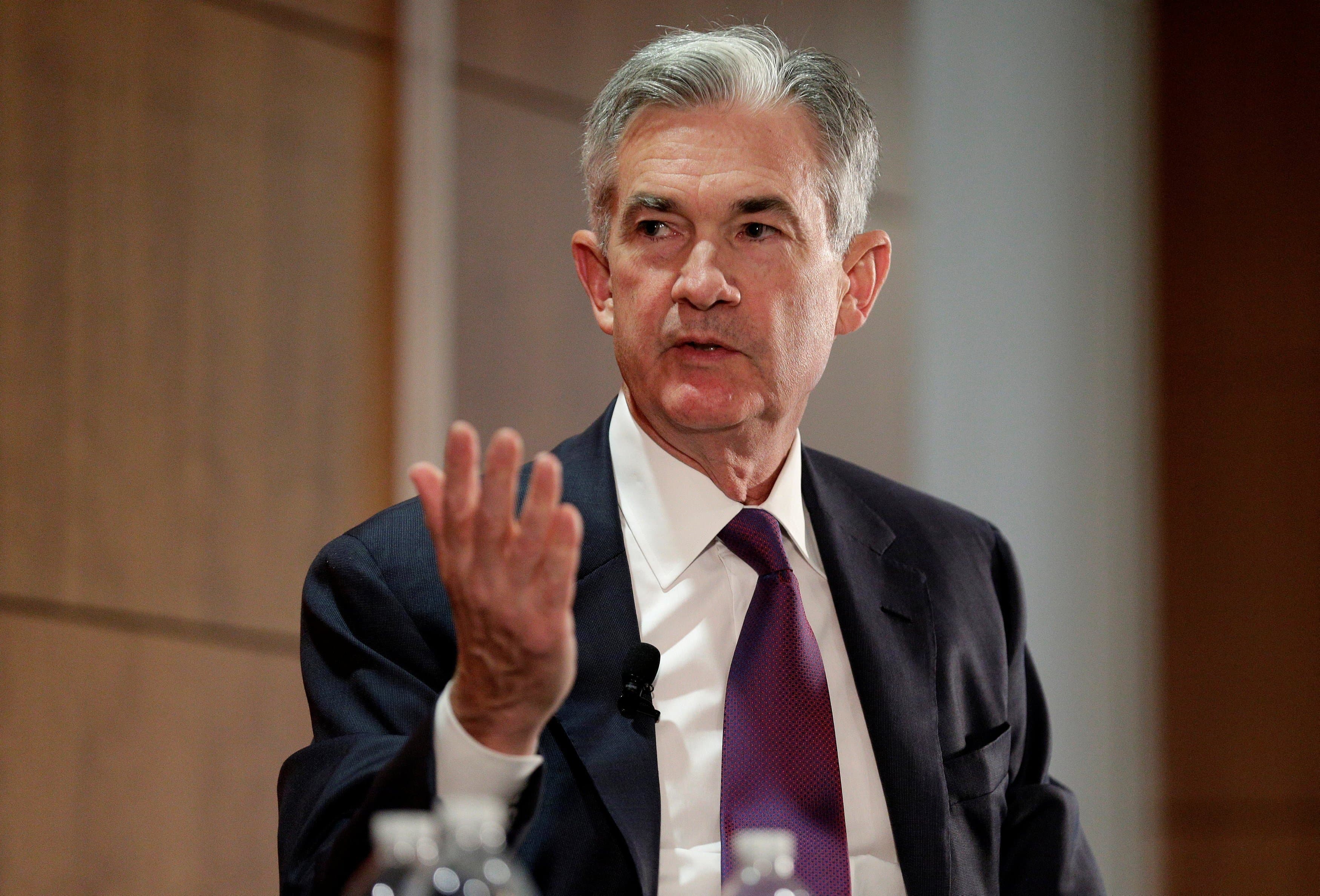
The primary concern for global markets, including the Nairobi Securities Exchange, remains the Federal Reserve’s upcoming policy decision. Expectations are almost universal that the central bank will keep rates steady, currently in the 3.5% to 3.75% range. However, the market is obsessed with the "dot plot" and accompanying commentary from Chair Jerome Powell. Investors are searching for any signal on whether the U.S. central bank intends to keep rates "higher for longer" or pivot toward a more accommodative stance.
The Kenyan impact is immediate and profound. When the Federal Reserve maintains high interest rates, the U.S. dollar typically strengthens, creating a "pull" factor that strips liquidity from emerging markets. Foreign capital leaves the Nairobi exchange to seek the safety and high yields of U.S. Treasury bonds. Consequently, the Central Bank of Kenya is often forced into a restrictive monetary posture, maintaining high base lending rates to defend the Shilling and discourage capital flight. This, in turn, makes commercial bank loans for Kenyan SMEs significantly more expensive, effectively constraining private sector expansion.
The geopolitical dimension of the current market volatility cannot be overstated. The ongoing conflict in the Middle East has introduced a "war risk premium" into oil prices. For a developing economy like Kenya, which is already managing a significant external debt load, prolonged high oil prices are a fiscal nightmare. They increase the import bill, widen the current account deficit, and force the government to divert funds from development projects to debt servicing and fuel subsidies.
Moreover, the global interdependence on supply chains means that any further escalation in the Strait of Hormuz will not only impact oil prices but could also lead to logistics bottlenecks that stifle global trade flows. As Asian markets demonstrate, the current rally is fragile—a "positioning squeeze" built on hopes of technology sector growth rather than a fundamental resolution of the geopolitical or monetary risks. Investors in Nairobi, London, and Tokyo are all holding their breath, waiting to see if the U.S. Federal Reserve provides a lifeline or confirms the market’s worst fears of prolonged economic tightening.
As the trading day concludes and the Fed’s statement is awaited, the disconnect between equity market optimism and the harsh reality of inflationary pressures remains the defining tension of the year. Whether this rally holds, or whether it collapses under the weight of sustained interest rates and high energy costs, will be determined not in the trading pits of Seoul or Tokyo, but in the halls of Washington.
Keep the conversation in one place—threads here stay linked to the story and in the forums.
Sign in to start a discussion
Start a conversation about this story and keep it linked here.
Other hot threads
E-sports and Gaming Community in Kenya
Active 10 months ago
The Role of Technology in Modern Agriculture (AgriTech)
Active 10 months ago
Popular Recreational Activities Across Counties
Active 10 months ago
Investing in Youth Sports Development Programs
Active 10 months ago
Key figures and persons of interest featured in this article