We're loading the full news article for you. This includes the article content, images, author information, and related articles.
A new partnership between Chinese and Japanese hospitals offers advanced colorectal cancer treatment, raising urgent questions about access to similar life-saving technology for patients in Kenya.
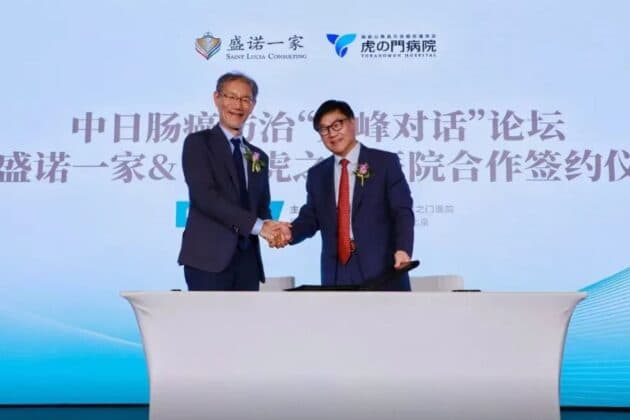
A landmark medical partnership between top hospitals in China and Japan is offering a new lifeline to advanced colorectal cancer patients, leveraging cutting-edge technology to dramatically improve survival rates.
This collaboration shines a harsh spotlight on the global advancements in cancer care and the pressing need to bridge the treatment gap for thousands of Kenyans battling the same disease. In Kenya, where colorectal cancer is one of the five most common cancers, access to such specialized procedures remains a significant hurdle for many.
The new service platform, established by China’s Saint Lucia Consulting and Japan’s renowned Toranomon Hospital, facilitates the transfer of Chinese patients for specialized treatment. This comes as China faces a staggering number of cases, with about 517,100 new diagnoses in 2022 alone.
Experts at Toranomon Hospital noted that their approach significantly boosts patient outcomes. "More than 50 percent of the late-stage colorectal cancer patients treated in the hospital are cured," explained Dr. Masashi Ueno, the hospital's director of gastrointestinal surgery. He attributed this success to improved surgical techniques and preoperative radiotherapy.
The Japanese hospital utilizes advanced methods that are not yet widely available in many parts of the world, including Kenya.
While Asia pioneers new collaborative models, the situation in Kenya presents a stark contrast. Cancer is the third leading cause of death in the country, and the burden of colorectal cancer is growing. A major challenge is late diagnosis, with reports indicating that over 70% of Kenyan patients are diagnosed at advanced stages when treatment is less effective and more costly.
While treatment options like surgery, chemotherapy, and radiation are available in Kenya, access to the kind of highly specialized, AI-assisted procedures seen in Japan is limited. This disparity highlights a critical need for investment and international partnerships to bring world-class medical technology and expertise to the country.
As this new Asia-based partnership sets a benchmark for cancer care, the question for Kenya is not if, but when, similar innovative collaborations will bring these life-saving treatments closer to home.
Keep the conversation in one place—threads here stay linked to the story and in the forums.
Sign in to start a discussion
Start a conversation about this story and keep it linked here.
Other hot threads
E-sports and Gaming Community in Kenya
Active 9 months ago
The Role of Technology in Modern Agriculture (AgriTech)
Active 9 months ago
Popular Recreational Activities Across Counties
Active 9 months ago
Investing in Youth Sports Development Programs
Active 9 months ago