We're loading the full news article for you. This includes the article content, images, author information, and related articles.
Five months after the Kirinyaga Central NG-CDF hub was torched during Saba Saba protests, services resume—but the MP insists the arson was a paid political hit, not organic anger.
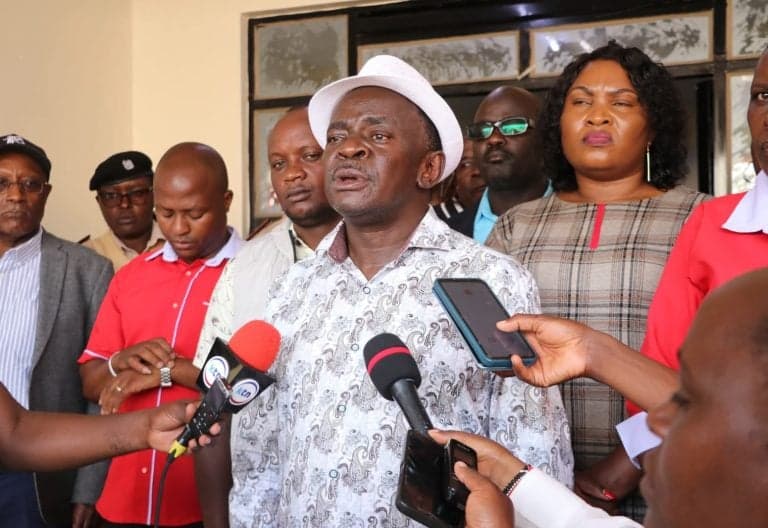
KERUGOYA — The smell of fresh paint has finally replaced the acrid stench of smoke at the Kirinyaga Central NG-CDF offices. Five months after the building was gutted by fire during the July 7 (Saba Saba) protests, Member of Parliament Gachoki Gitari officially recommissioned the facility on Friday, declaring a victory over what he termed "political sabotage."
But the reopening was more than a ribbon-cutting ceremony; it was a stage for the MP to settle scores. Standing before the refurbished structure in Kerugoya, Gitari doubled down on a controversial narrative: that the destruction was not the work of aggrieved Gen Z protesters, but a calculated strike by local rivals.
"I can tell you for free," Gitari told the gathered crowd, his tone shifting from celebratory to combative. "Your demonstrations for Gen Z normally happen very peacefully. But after that, goons come and take over."
The MP alleged that the arson was a "properly planned and financed activity" designed to cripple his administration rather than express genuine dissent over the cost of living. While he stopped short of naming specific individuals, his finger pointed squarely at local political competitors who he claims hijacked the chaos of the Saba Saba demonstrations to settle personal vendettas.
"Don't blame our Gen Zs for this," he emphasized. "The people we should blame are the goons that came and took over the entire thing and ran away with it."
For the average resident of Kirinyaga Central, the political intrigue matters less than the operational reality. The NG-CDF office is the engine room for critical local services, most notably education bursaries and the Ajira Digital program.
Since the July inferno, these services have been paralyzed or severely throttled. The fire destroyed:
"The reopening now restores full access," noted Kirinyaga Central Deputy County Commissioner Josphine Mwengi, who urged the youth to protect community assets. "Even while expressing grievances, we must protect the property that serves us."
The attack on Gitari's office was not an isolated incident. It mirrors a wave of targeted vandalism seen across Kenya during the mid-year protests, where anger over the Finance Bill and governance issues boiled over into attacks on symbols of state power. MPs in Nyeri, Eldoret, and Kiambu faced similar wrath, forcing a national conversation on the safety of public officials.
However, Gitari's insistence on a political conspiracy adds a layer of complexity to the healing process in Kirinyaga. By framing the arson as a hit job, he challenges the narrative of organic public anger, suggesting instead that the county's internal politics are becoming increasingly weaponized.
As the doors opened and the first batch of residents walked in to inquire about bursary forms, the mood was one of cautious relief. The building is back, but the political temperatures that burned it down have yet to fully cool.
Keep the conversation in one place—threads here stay linked to the story and in the forums.
Sign in to start a discussion
Start a conversation about this story and keep it linked here.
Other hot threads
E-sports and Gaming Community in Kenya
Active 9 months ago
The Role of Technology in Modern Agriculture (AgriTech)
Active 9 months ago
Popular Recreational Activities Across Counties
Active 9 months ago
Investing in Youth Sports Development Programs
Active 9 months ago



