We're loading the full news article for you. This includes the article content, images, author information, and related articles.
A minor skirmish has reignited the conflict just months after a US-brokered ceasefire, exposing the fragility of diplomacy forced by economic threats.
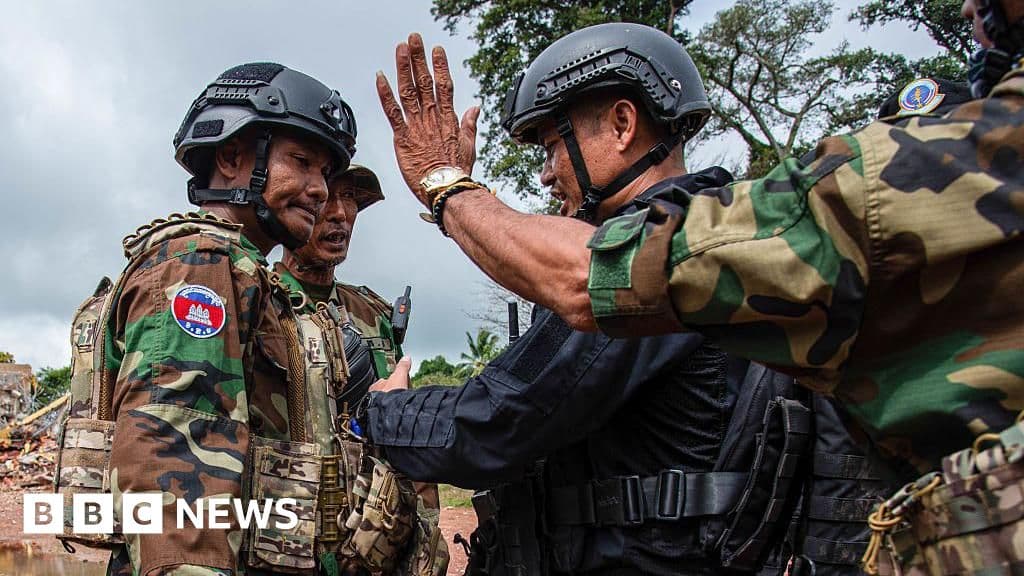
The heavy thud of artillery is once again tearing through the humid air along the Thai-Cambodian border, sending families scrambling for mats in temporary shelters. For the second time in five months, villages in a corridor stretching hundreds of kilometers have been evacuated, leaving residents to wonder if their homes will still be standing when the smoke clears.
This renewed violence shatters the fragile peace brokered by US President Donald Trump in July, raising uncomfortable questions about the durability of deals struck under duress. For observers in Nairobi, the collapse of this ceasefire serves as a grim case study: diplomatic handshakes forced by the barrel of an economic gun rarely survive the first sign of trouble.
The unraveling of the treaty began with a single, disputed incident on Sunday. According to Thai army officials, a Thai engineering team working on an access road in the contested border zone came under fire from Cambodian troops. While two soldiers sustained non-life-threatening injuries, the geopolitical wound was far deeper.
In previous years, such a skirmish might have been de-escalated through rapid, fleet-footed diplomacy. However, the current atmosphere is thick with mistrust. The mechanisms for dialogue have rusted over, replaced by a volatile standoff that even Washington’s intervention could not permanently resolve.
The collapse of the July ceasefire reveals the structural flaws of the original agreement. Analysts have long warned that the deal was not built on mutual understanding, but on economic survival. President Trump reportedly secured the truce by holding a "tariff gun" to the heads of both nations.
This dynamic resonates deeply in East Africa, where trade agreements like AGOA often come with political strings attached. When diplomacy is transactional, the peace it buys is often rented, not owned.
The conflict is further complicated by the opposing diplomatic strategies of the two neighbors. Thailand remains deeply suspicious of internationalizing the border dispute, preferring bilateral talks where its larger military and economy give it leverage. Bangkok viewed the US intervention with unease, agreeing only to save its export market.
Cambodia, conversely, has welcomed outside intervention. As the smaller power, Phnom Penh sees international oversight as a necessary equalizer against its more powerful neighbor. This fundamental disconnect—one side seeking global mediation, the other rejecting it—has created a yawning gulf of mistrust that no amount of external pressure has been able to bridge.
As artillery exchanges continue, the lesson for the global community is stark. Coerced peace is brittle. Without addressing the root causes of the animosity, the border remains a powder keg, waiting for the next spark to ignite.
Keep the conversation in one place—threads here stay linked to the story and in the forums.
Sign in to start a discussion
Start a conversation about this story and keep it linked here.
Other hot threads
E-sports and Gaming Community in Kenya
Active 9 months ago
The Role of Technology in Modern Agriculture (AgriTech)
Active 9 months ago
Popular Recreational Activities Across Counties
Active 9 months ago
Investing in Youth Sports Development Programs
Active 9 months ago



