We're loading the full news article for you. This includes the article content, images, author information, and related articles.
A new PAWA254 report demands the government formally recognize and fund artivism, citing its critical role in governance and amplifying marginalized voices.
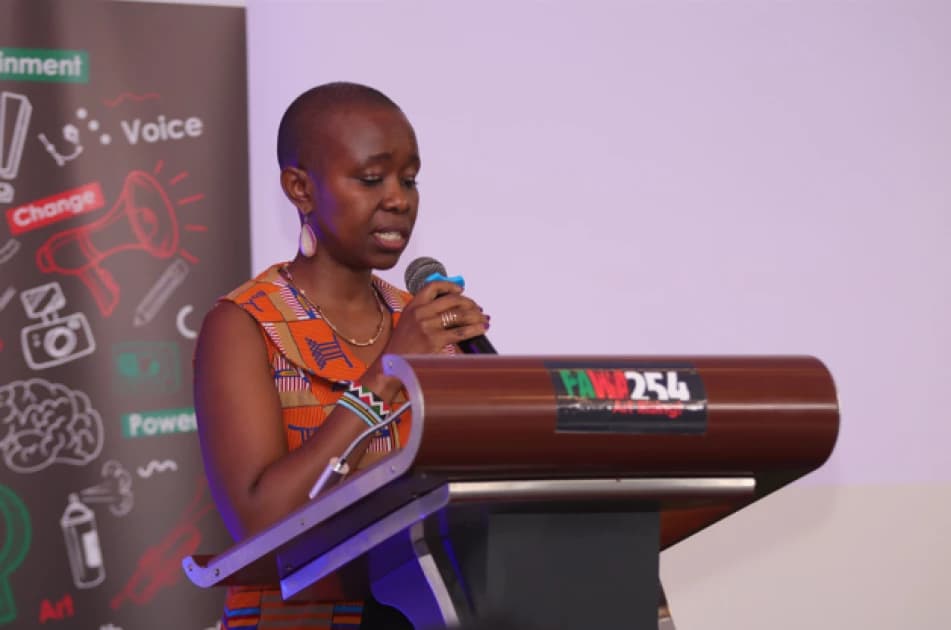
The Kenyan government is facing a fresh challenge to rethink its approach to governance and development. A new report by PAWA254 argues that "artivism"—the fusion of creative expression and civic activism—is not just a cultural sideline but a critical engine for socio-economic and political progress that demands formal state backing.
The call to action was made during the launch of the landmark report, "The Role of Artivism in Advancing Socio-Economic and Political Development in Kenya," in Nairobi. The document lays bare a stark reality: artists are performing essential governance work, amplifying marginalized voices and fostering civic engagement, often with zero legal protection or funding. The report asserts that creative expression reaches communities that formal civic processes routinely ignore, making it a potent, albeit underutilized, tool for national cohesion.
PAWA254 Executive Director Njeri Mwangi did not mince words. ["We need to link creativity to civic power," she declared. "Artivism is doing governance work long before policy arrives." Her statement highlights a systemic failure to recognize the sector's impact. Despite its reach, artivism remains structurally under-funded and dangerous, with many practitioners facing legal gray areas.
Nominated Senator and artist Crystal Asige echoed these sentiments, urging creatives to weaponize their platforms for tangible change."No one else can inspire change the way artists do," Asige told the gathering. The launch featured intense panel discussions on the role of digital civic engagement and the need to include youth and women in the creative economy's sustainability conversation.
The report's recommendations are a blueprint for legitimizing a sector that has long operated on the fringes of formal power. By recognizing artivism, the state could tap into a reservoir of innovation and youth engagement that traditional politics struggles to mobilize. The findings are intended to spark a continued dialogue, pushing for policy reforms that see artists not just as entertainers, but as architects of Kenya’s future.
As the government reviews its development goals, the question is whether it is brave enough to embrace the mirror that artivism holds up to society. For now, the creatives have spoken, and their message is loud: ignore us at your peril.
Keep the conversation in one place—threads here stay linked to the story and in the forums.
Sign in to start a discussion
Start a conversation about this story and keep it linked here.
Other hot threads
E-sports and Gaming Community in Kenya
Active 10 months ago
The Role of Technology in Modern Agriculture (AgriTech)
Active 10 months ago
Popular Recreational Activities Across Counties
Active 10 months ago
Investing in Youth Sports Development Programs
Active 10 months ago



