We're loading the full news article for you. This includes the article content, images, author information, and related articles.
Manchester City clinches the 2026 Carabao Cup with a 2-0 win over Arsenal, as local fans lament the loss and the end of the quadruple dream.

In Nairobi’s bustling sports bars, the collective optimism that had built over weeks of Arsenal’s relentless title chase evaporated in the span of four second-half minutes. As the final whistle blew at Wembley Stadium on Sunday, March 22, the screens beaming the Carabao Cup final back to East Africa displayed a reality few Gunners fans wanted to confront: a 0-2 defeat to Manchester City. For a generation of supporters who have championed Arsenal’s pursuit of a quadruple, the result was not merely a loss it was a brutal punctuation mark on a season of high expectations.
The defeat, secured by a clinical brace from Manchester-born midfielder Nico O’Reilly, brings the curtain down on Arsenal’s dream of an unprecedented quadruple. While the club remains firmly atop the Premier League standings with 70 points from 31 matches—nine points clear of City—the psychological toll of this Wembley collapse is immediate and tangible. The match served as a stark reminder of Manchester City’s capacity to turn the tide in high-stakes encounters, delivering Pep Guardiola his fifth League Cup title and leaving Mikel Arteta’s side to reconcile with the limitations of their squad depth.
The match unfolded as a tactical chess game that ultimately tilted in City’s favor during a decisive 60-minute burst. Arsenal, having opted for Kepa Arrizabalaga in goal over David Raya, found themselves vulnerable as the second half progressed. The turning point arrived on the hour mark when a critical defensive error provided Nico O’Reilly the opening he needed to strike the first goal. Just four minutes later, O’Reilly struck again, rising highest to head home his second and effectively killing the contest.
For Arsenal, the statistics of the defeat highlight a lack of clinical edge when the pressure intensified:
This was Arsenal’s first major cup final in six years. The haunted expressions of the players as they climbed the stairs to collect their runners-up medals mirrored the feelings of their supporters back in Kenya, many of whom had gathered in pubs from Westlands to Kisumu, expecting a historic triumph.
The reaction in Nairobi was visceral. Social media platforms, particularly X and Instagram, were flooded with memes and viral clips of dejected fans, with the phrase “Ni kilio tu” (It is just weeping) becoming the trending sentiment. This local nomenclature reflects the unique relationship East African football fans have with the English Premier League. In Kenya, the Premier League is not merely foreign entertainment it is a shared national experience that impacts the local service economy, fueling trade in bars, betting shops, and outdoor viewing setups.
The banter that followed the final whistle was characteristically savage. Kenyan rivalries between Manchester United and Arsenal supporters were renewed overnight. Videos circulated showing jubilant, albeit mocking, celebrations, while Arsenal fans were left to defend what many pundits described as a “robotic” and “slow” build-up play. For many in Nairobi, this was not just about the cup it was about the perception of Arsenal as a “bottling” side, a narrative that Arteta has fought hard to dismantle over the last three seasons.
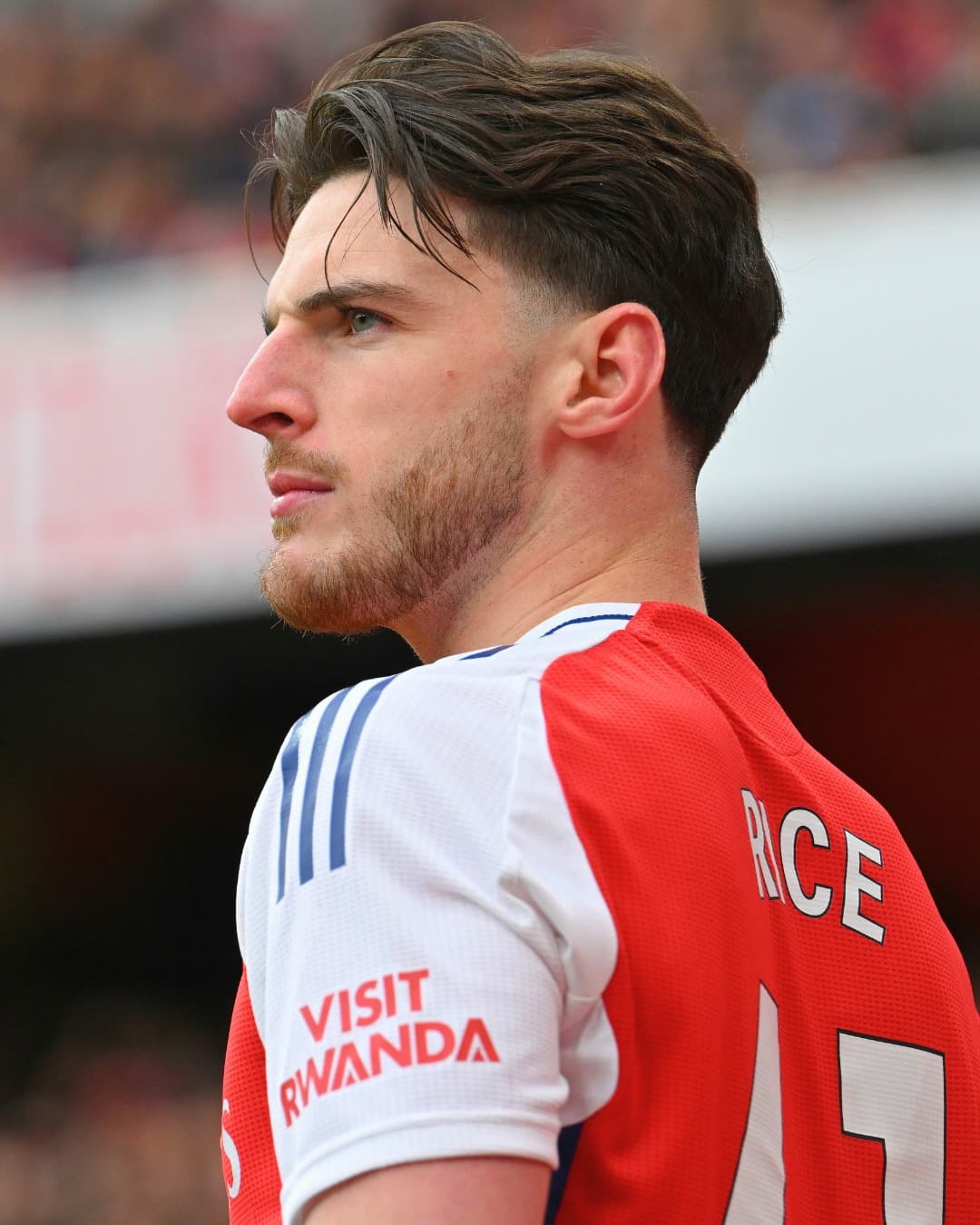
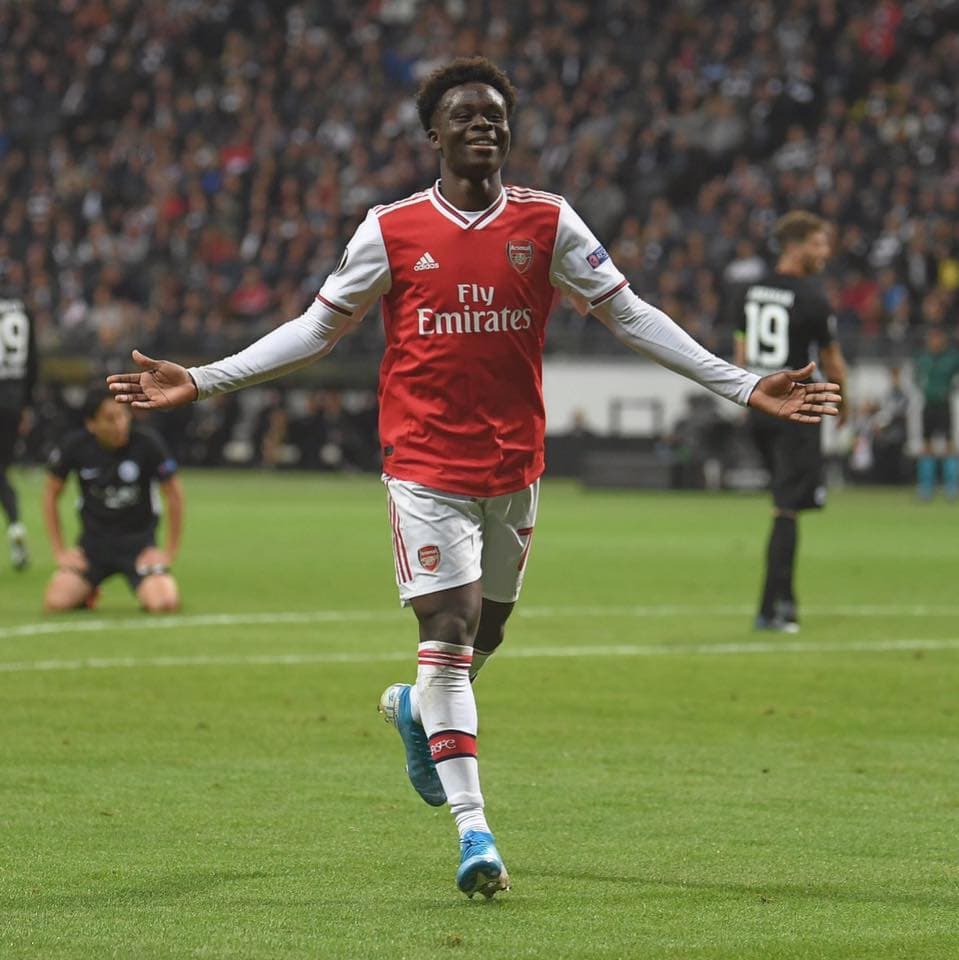
The tactical masterclass by Pep Guardiola at Wembley was not lost on seasoned observers. By stifling the midfield creativity of Declan Rice and isolating Bukayo Saka, City forced Arsenal into a defensive retreat. Critics point to the decision to bench David Raya as a pivotal moment of instability. Football analysts at the University of Nairobi’s sports department noted that such high-stakes matches require the consistency of first-choice personnel, suggesting that Arteta’s squad rotation, while necessary for the long league season, may have cost them the silverware.
Guardiola, in his post-match comments, remained measured but clear: his side had proven they could contain the “best team in the league.” The mental fortitude shown by City, who are also chasing down the league title, suggests a psychological edge that may prove crucial as the season moves into its final two months. With 61 points and a game in hand, City is lurking, and their cup final victory serves as an ominous warning to the Arsenal hierarchy.
Despite the heartbreak at Wembley, the season remains far from over. Arsenal’s 70-point tally is an achievement that cannot be erased by one afternoon in London. The focus now shifts back to the Premier League, where the Gunners have a nine-point buffer. However, the margin for error has evaporated. The upcoming run of fixtures will test the depth of the squad, which looked fragile against the relentless pressure of City’s second-half assault.
Experts suggest that Arsenal must now undergo a rapid emotional reset. The “quadruple” narrative, while ambitious, had placed immense, perhaps unsustainable, pressure on the players. Shedding that burden might paradoxically allow the team to focus solely on their primary objective: the Premier League title. If they falter, the Wembley defeat will be viewed not as a blip, but as the beginning of a collapse. For now, the fans in Nairobi and across the globe wait, hoping that the sting of this defeat will harden rather than break their team’s resolve as the race for glory enters its final, decisive stretch.
Keep the conversation in one place—threads here stay linked to the story and in the forums.
Sign in to start a discussion
Start a conversation about this story and keep it linked here.
Other hot threads
E-sports and Gaming Community in Kenya
Active 10 months ago
Popular Recreational Activities Across Counties
Active 10 months ago
The Role of Technology in Modern Agriculture (AgriTech)
Active 10 months ago
Investing in Youth Sports Development Programs
Active 10 months ago
Key figures and persons of interest featured in this article