We're loading the full news article for you. This includes the article content, images, author information, and related articles.
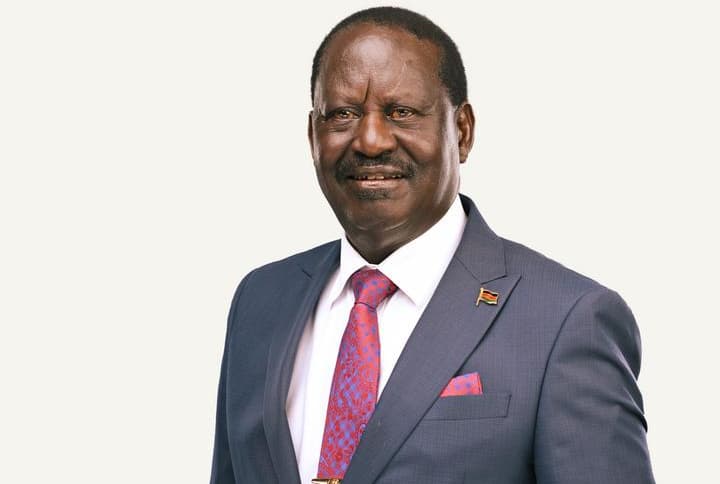
Arsenal Football Club sends official tribute to the family of the late Raila Odinga, cementing the connection between the Kenyan statesman and the Gunners.

A solemn courier package bearing the unmistakable crest of Arsenal Football Club arrived in Nairobi this week, carrying a message that transcended the traditional boundaries of international sport and local politics. Inside, an official team jersey signed by the current first-team squad and a formal letter of condolence acknowledged the passing of Raila Amolo Odinga, a statesman whose allegiance to the North London club was as deeply intertwined with his public persona as his commitment to Kenyan governance. The arrival of this tribute marks a unique intersection where global sporting institutions acknowledge the personal impact of a figure whose influence resonated far beyond his own borders.
The significance of this gesture lies in the recognition of a complex political life by a massive international entity. For millions of Kenyans who followed the political trajectory of the late former Prime Minister, the tribute serves as a validation of a man who famously balanced the high-stakes pressure of national politics with the visceral, unifying passion of football fandom. This tribute signals a deepening of the cultural ties between the United Kingdom’s premier sporting entities and the East African political landscape, illustrating how even the most competitive global industries are beginning to engage with the human narratives of the leaders they influence.
Raila Odinga, who passed away in early 2025, was known throughout his career for his public displays of support for Arsenal. Unlike many political figures who adopt a sports affiliation primarily for public relations, Odinga’s fandom appeared genuine and consistent, characterized by his vocal commentary on club performance during interviews, public rallies, and private social gatherings. His support for the Gunners became a staple of his public identity, often used as a tool to bridge divides and humanize his image among the younger, sports-obsessed demographic of the Kenyan electorate.
Supporters recall his frequent presence at various sporting events where he would wear the club’s kit, often using the sport as a metaphor for resilience, teamwork, and the necessity of persistence in the face of long odds—themes that mirrored his own political career. By associating with a club known for its "Invincibles" legacy and its emphasis on tactical discipline, Odinga successfully aligned his brand with values that resonated with a wide spectrum of supporters. His engagement with the club was not merely passive viewership it was a curated expression of a global-minded Kenyan identity.
The decision by Arsenal Football Club to send a formal tribute to the Odinga family highlights the expanding role of "soft power" in modern sports diplomacy. Global football giants are no longer merely athletic organizations they function as multinational corporations with deep cultural influence in developing economies. In Kenya, where the English Premier League attracts a massive following—with broadcast rights and merchandising contributing significantly to the local digital and retail economy—the club’s recognition of a major Kenyan figure serves to solidify its brand loyalty.
Data from international sports consultancy groups suggests that the impact of such gestures is measurable in both sentiment and market engagement:
By dispatching this tribute, Arsenal has implicitly acknowledged the depth of its connection to the Kenyan leadership class. It is a calculated move that balances respect for the deceased with the recognition of the intense loyalty the club commands in this region of Africa.
In Nairobi, where the English Premier League commands near-religious devotion, the news of the tribute has reverberated well beyond political circles. Economists and sports analysts alike note that the connection between local fans and global clubs is both economic and profoundly emotional. For a generation of Kenyans who grew up watching the Premier League, seeing a national icon recognized by a global powerhouse provides a sense of parity on the world stage.
University of Nairobi political analysts suggest that such gestures serve to humanize the political elite, showing that they too engage in the same global cultural experiences as the citizens they lead. While critics might argue that such tributes are merely symbolic, the emotional impact on the Kenyan public cannot be overstated. It underscores the idea that a statesman’s influence is measured not only by their policy achievements but by their ability to participate in the broader, global human experience.
As the family of the late Raila Odinga receives this final gesture from North London, the tribute stands as a reminder of the unexpected ways in which the worlds of governance and sport collide. It leaves the public with a lingering question: In a world increasingly defined by globalized cultural connections, will international institutions like the English Premier League become more active in engaging with the legacies of the leaders who shape the nations supporting them? The answer likely lies in the enduring, transcendent power of sport to unite people across continents, cultures, and political divides.
Keep the conversation in one place—threads here stay linked to the story and in the forums.
Sign in to start a discussion
Start a conversation about this story and keep it linked here.
Other hot threads
E-sports and Gaming Community in Kenya
Active 9 months ago
The Role of Technology in Modern Agriculture (AgriTech)
Active 9 months ago
Popular Recreational Activities Across Counties
Active 9 months ago
Investing in Youth Sports Development Programs
Active 9 months ago
Key figures and persons of interest featured in this article