We're loading the full news article for you. This includes the article content, images, author information, and related articles.
The green chamber of Nigeria’s House of Representatives descended into anarchy today as the ruling All Progressives Congress (APC) bulldozed the Electoral Amendment Act Bill through a rowdy session.
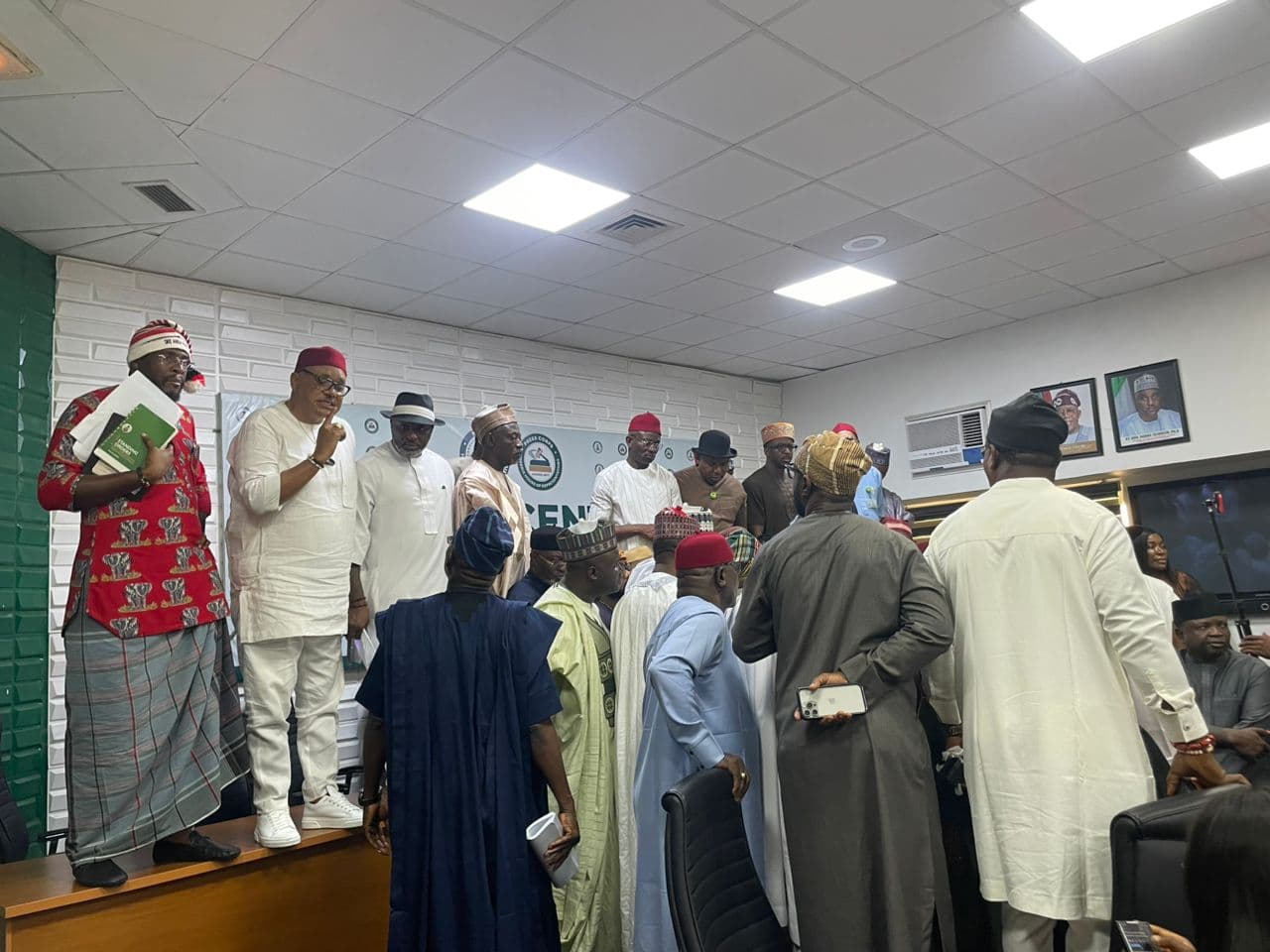
The green chamber of Nigeria’s House of Representatives descended into anarchy today as the ruling All Progressives Congress (APC) bulldozed the Electoral Amendment Act Bill through a rowdy session. Chants of "APC, Ole!" (APC, Thief!) echoed through the dome as opposition lawmakers staged a walkout, claiming the new law is a Trojan horse designed to rig the 2027 general elections.
Democracy in Nigeria is often a contact sport, but Tuesday’s session was a brawl. The bone of contention is, once again, the integrity of the ballot. While the specifics of the amendments remain shrouded in parliamentary jargon, the opposition’s fury centers on clauses that allegedly weaken the electronic transmission of results—the very mechanism that was supposed to cure Nigeria’s history of ballot box snatching.
As the Speaker, Tajudeen Abbas, moved to put the bill to a voice vote, the chamber erupted. Lawmakers from the Peoples Democratic Party (PDP) and the Labour Party (LP) surged towards the mace, the symbol of parliamentary authority. They accused the APC of smuggling in last-minute clauses without proper debate.
“They are stealing the future!” shouted one opposition member, his voice hoarse from screaming. The chant “APC, Ole” became a rhythmic drumbeat of dissent. Yet, with the ruthlessness of a majority that knows its numbers, the bill was passed. The "Ayes" had it, not because they were louder, but because they held the gavel.
To understand the rage, one must look back to 2023. The failure of the IReV (result viewing portal) to upload presidential results in real-time shattered public trust in the Independent National Electoral Commission (INEC). The opposition fears that the 2026 Amendment Act is an attempt to legalize the technical "glitches" that marred the last election.
Key controversial areas include:
The passage of this bill sets the stage for a constitutional showdown. Civil society groups and the Nigerian Bar Association are already mobilizing to challenge the amendments in court. But for the average Nigerian, watching their elected representatives trade insults instead of ideas, the message is bleak.
The 2027 election is still a year away, but the rigging war has already begun. Today, it was fought with shouts and walkouts. Tomorrow, it may be fought in the courts. But the real casualty, as always, is the voter’s hope that their voice will finally count.
Keep the conversation in one place—threads here stay linked to the story and in the forums.
Sign in to start a discussion
Start a conversation about this story and keep it linked here.
Other hot threads
E-sports and Gaming Community in Kenya
Active 9 months ago
The Role of Technology in Modern Agriculture (AgriTech)
Active 9 months ago
Popular Recreational Activities Across Counties
Active 9 months ago
Investing in Youth Sports Development Programs
Active 9 months ago