We're loading the full news article for you. This includes the article content, images, author information, and related articles.
MUGUGA, Kiambu County | Saturday, February 7, 2026 — Two men suspected of robbery were killed by an angry mob in Muguga area of Kabete Constituency, Kiambu County, in an incident police have confirmed as investigations begin into both the alleged criminal activity and the unlawful killings.
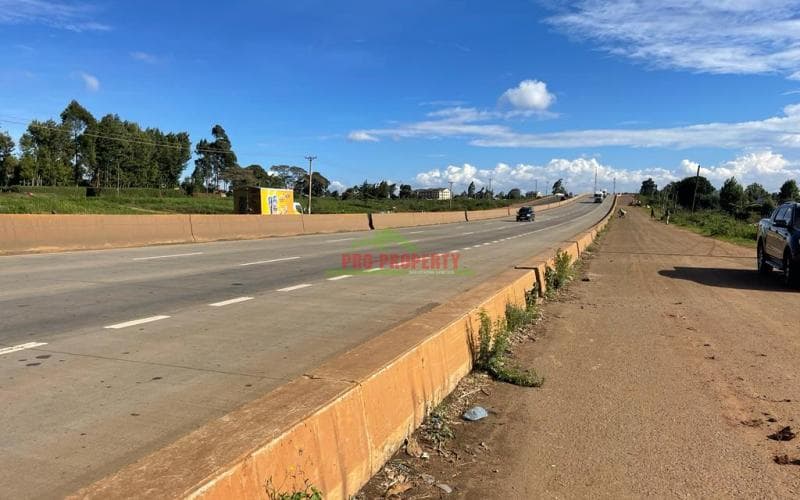
MUGUGA, Kiambu County | Saturday, February 7, 2026 — Two men suspected of robbery were killed by an angry mob in Muguga area of Kabete Constituency, Kiambu County, in an incident police have confirmed as investigations begin into both the alleged criminal activity and the unlawful killings.
The incident, captured in a news report and corroborated by local accounts, unfolded after residents accused the two men of being part of a group that has been “terrorising” the area. Locals claimed the suspects were found with weapons believed to be used in criminal attacks before a crowd turned violent.
Kabete Sub-county Police Commander Peter Kamotho confirmed the incident in the report, stating that a thorough investigation had been launched and warning residents against taking the law into their own hands.
“We have launched investigations. Residents should follow due process and avoid mob justice,” the commander said, as quoted in the broadcast transcript.
Beyond Muguga, residents interviewed in the report said insecurity has been affecting several nearby areas, including Kiambaa, Thamanda, Eka Tano and Kelesheni, with locals pointing to the region’s proximity to the border between Kabete and Kikuyu as one factor they believe criminals exploit.
While the claims about wider criminal networks remain allegations pending police findings, the report reflects a deepening fear among residents and growing pressure on security agencies to improve patrol presence, response times and investigations.
In the same report, residents listed several recent incidents they believe illustrate a worsening security situation in the area. Among the cases cited were claims that:
A person was killed and the body left near train tracks;
A 26-year-old was killed and the body dumped;
A young woman was stabbed and is reportedly recovering at home; and
An elderly man was beaten while walking downhill in the morning.
These claims require verification through official records such as Occurrence Book (OB) entries, medical facility reports, and court documentation. However, the complaints highlight a recurring pattern seen in many commuter and border neighbourhoods: where repeated crime reports, fear, and perceived delays in justice can trigger dangerous crowd action.
Police are expected to pursue the case on two tracks:
1) The suspected robbery claims
Investigators will likely seek to establish whether the deceased were linked to specific reported offences, whether victims recorded statements, and whether any recovered items were formally documented as exhibits.
2) The killings
Because mob violence is unlawful, investigators will also be expected to identify those involved in the attack, including potential instigators, and determine whether arrests will follow.
In many mob-justice cases, investigations face obstacles such as fear among witnesses, reluctance to record statements, and the rapid spread of unverified claims on social media. Even so, police can build cases through witness testimony, CCTV footage where available, and forensic documentation.
The broadcast concluded with residents issuing warnings to criminals that similar consequences would follow if they were caught. Such rhetoric, while reflecting public anger, raises further concerns about the risk of retaliation, mistaken identity, and more violence—especially in crowded public spaces like stages and markets.
Security analysts and rights advocates have repeatedly warned that extrajudicial punishment not only violates the law, but can also destroy evidence, undermine prosecutions, and deepen mistrust between citizens and law enforcement.
As authorities process the scene and gather statements, key questions for the public interest include:
Will police confirm the identities of the deceased and the specific allegations against them?
Were any theft or robbery complaints recorded formally before the incident?
Were exhibits recovered and officially logged?
What was the police response timeline after the first alert?
Will arrests follow for those involved in the killings?
Police are expected to provide further updates as investigations continue.
Keep the conversation in one place—threads here stay linked to the story and in the forums.
Sign in to start a discussion
Start a conversation about this story and keep it linked here.
Other hot threads
E-sports and Gaming Community in Kenya
Active 10 months ago
The Role of Technology in Modern Agriculture (AgriTech)
Active 10 months ago
Popular Recreational Activities Across Counties
Active 10 months ago
Investing in Youth Sports Development Programs
Active 10 months ago



