We're loading the full news article for you. This includes the article content, images, author information, and related articles.
From taming chaotic WhatsApp groups to smarter parental controls, the latest update promises to declutter digital lives—starting with Pixel users.
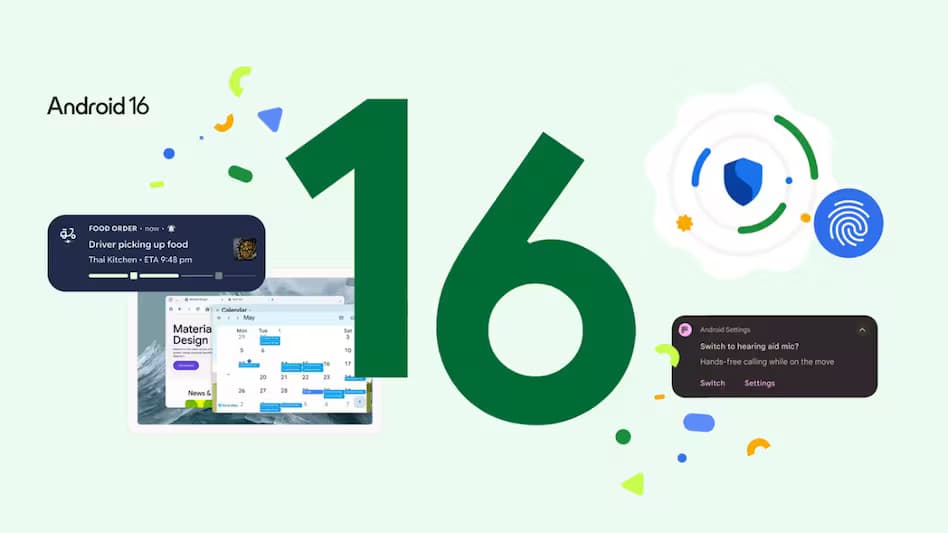
The era of the "dumb" smartphone notification is officially over, as Google begins its aggressive rollout of Android 16 to combat digital overwhelm.
For the millions of Kenyans whose lives revolve around their screens—balancing side hustles, family groups, and breaking news—this isn't just a software patch. It is a fundamental shift in how the operating system manages your attention, prioritizing what matters while silencing the noise.
The centerpiece of Android 16 is the new "Notification Organizer." Google has acknowledged that the average user is bombarded with hundreds of alerts daily, leading to fatigue. This feature uses on-device AI to automatically categorize alerts, silencing low-priority pings while ensuring urgent messages cut through.
Perhaps most relevant for the local market is the introduction of AI summaries. The update addresses a uniquely Kenyan pain point: the endless stream of messages from "chamas," church groups, and extended family WhatsApp chats.
Beyond convenience, Android 16 doubles down on transparency. The new "Call Reason" feature allows callers to specify why they are ringing before you pick up. For a country plagued by spam calls and vague inquiries from unknown numbers, this offers a layer of screening that goes beyond standard caller ID.
Parental controls have also received a significant overhaul. Google has deepened the integration of Family Link directly into the OS settings, allowing parents to manage screen time and app access with more granularity. This move comes as digital safety for minors becomes a pressing regulatory topic in Nairobi.
While the software is live, access depends heavily on your hardware. Google confirmed that Pixel devices are receiving the update immediately. However, the vast majority of Kenyan users—who rely on Samsung, Tecno, Infinix, and Xiaomi devices—will need to wait for manufacturers to adapt the software.
Google has shifted its release schedule to be more frequent, aiming to reduce the fragmentation that often leaves users on older security patches. By accelerating the development cycle, the tech giant hopes to get these AI tools into the hands of the mass market faster than previous iterations.
"The goal is velocity without compromising stability," a Google spokesperson noted regarding the accelerated timeline. As the update trickles down to the budget-friendly handsets that dominate the Kenyan market, the true test will be how well these AI features perform on devices with limited processing power.
Keep the conversation in one place—threads here stay linked to the story and in the forums.
Sign in to start a discussion
Start a conversation about this story and keep it linked here.
Other hot threads
E-sports and Gaming Community in Kenya
Active 9 months ago
The Role of Technology in Modern Agriculture (AgriTech)
Active 9 months ago
Popular Recreational Activities Across Counties
Active 9 months ago
Investing in Youth Sports Development Programs
Active 9 months ago



