We're loading the full news article for you. This includes the article content, images, author information, and related articles.
Nigerian leaders and analysts condemn the US decision to label the nation a "Country of Particular Concern," arguing that Trump’s narrative of religious genocide misrepresents the complex reality of the country’s security challenges.
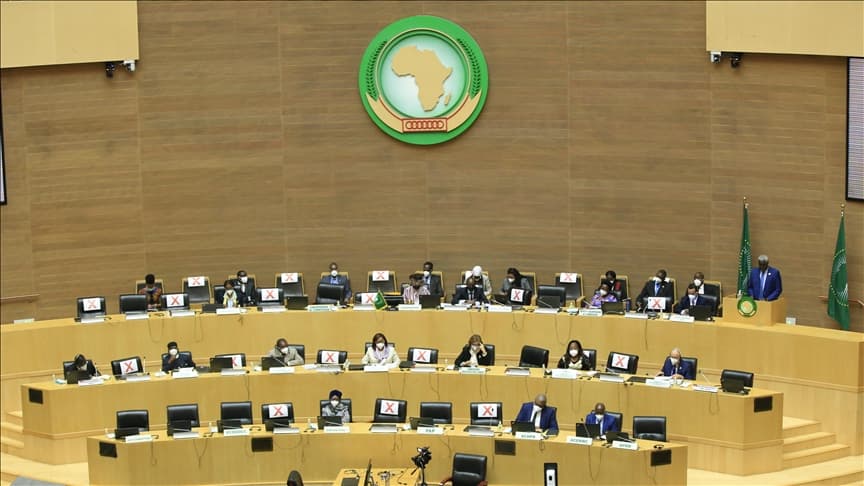
A deepening diplomatic rift exposes the dangers of Washington’s simplistic religious framing of Nigeria’s complex security crisis, as local leaders push back against the "Country of Particular Concern" designation.
The diplomatic relationship between Abuja and Washington has hit a dangerous nadir. Following President Donald Trump’s controversial decision to redesignate Nigeria as a "Country of Particular Concern" (CPC) and the shocking reports of a Christmas Day airstrike on Sokoto, Nigerian leaders are mounting a fierce defense of their national sovereignty. The narrative emanating from the White House—that Nigeria is the theatre of a "Christian genocide"—is being forcefully rejected by intelligence experts and political heavyweights alike as a dangerous distortion of reality.
Yushau A. Shuaib, a prominent security analyst, argues that the US policy is driven not by facts, but by a "troubling pattern" of lobbying that weaponizes religious identity for geopolitical leverage. This framing threatens to ignite the very sectarian conflict it claims to condemn, reducing a complex web of resource competition, banditry, and governance failure into a binary religious war.
The alleged airstrike on Sokoto, the historic seat of the Islamic Caliphate, has been interpreted by northern leadership as a symbolic assault on the region’s heritage. While Washington frames its interventions as protective measures for religious minorities, critics see them as aggressive overreach. Presidential candidate Rabiu Kwankwaso has been vocal in his rebuke, urging the US to prioritize technical security cooperation over military threats that alienate the Muslim majority.
"To reduce this complex web of criminality... into a one-dimensional religious war is not analysis; it is advocacy," Shuaib writes, highlighting the disconnect between the US State Department’s dossier and the reality on the ground. The violence in Zamfara, Benue, and Plateau affects all communities, yet the selective outrage from Washington suggests a pre-determined agenda.
The genesis of this diplomatic standoff lies in the corridors of Washington DC, where specific advocacy groups have successfully lobbied for a hawkish stance on Nigeria. Shuaib notes that these narratives have found "fertile ground" among US lawmakers eager to fit Nigeria into a global persecution template. However, this approach ignores the nuance of Nigeria`s internal dynamics and the secular constitution that binds its diverse populace.
As the Trump administration doubles down on its pressure campaign, the response from Nigerian civil society and political class has been one of unity. The message to Washington is clear: Nigeria needs partners in development and security, not foreign arbiters who simplify its tragedies to score domestic political points. The challenge now is whether Abuja can effectively counter this narrative before it solidifies into long-term sanctions.
Keep the conversation in one place—threads here stay linked to the story and in the forums.
Sign in to start a discussion
Start a conversation about this story and keep it linked here.
Other hot threads
E-sports and Gaming Community in Kenya
Active 9 months ago
The Role of Technology in Modern Agriculture (AgriTech)
Active 9 months ago
Popular Recreational Activities Across Counties
Active 9 months ago
Investing in Youth Sports Development Programs
Active 9 months ago



