We're loading the full news article for you. This includes the article content, images, author information, and related articles.
One year in, the Portuguese tactician admits 6th place isn't enough for the badge, while Paul Scholes leads the chorus of disapproval over the handling of a Carrington jewel.
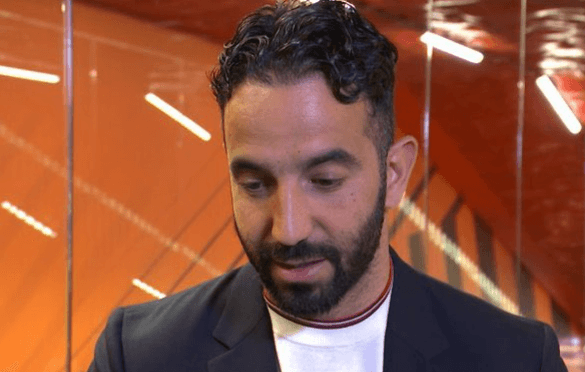
Ruben Amorim has stopped fighting the ghosts of Old Trafford. In a candid admission that will resonate from the Stretford End to the packed video halls of Nairobi’s Eastlands, the Manchester United manager acknowledged on Sunday that his team is "underachieving" and that stinging criticism from club legends is not just noise—it is deserved.
Speaking ahead of Monday night’s clash with Bournemouth, Amorim refused to hide behind the "transition" label that has exhausted the patience of the club’s global fanbase. With United sitting sixth in the Premier League table, the 40-year-old accepted that for a club of this stature, being "not bad" is simply not good enough.
"I think it's a fact that me as a manager of Manchester United, I think we are underachieving," Amorim told reporters, his tone devoid of the defiance often seen in besieged managers. "We should have more points, especially this season, so I take that naturally."
The comments come in the wake of a fresh wave of attacks from the "Class of '92." Paul Scholes and Nicky Butt have publicly questioned Amorim’s suitability for the role, specifically targeting his treatment of midfield prodigy Kobbie Mainoo. For the Kenyan fan, who treats Scholes' word as gospel, this internal friction is more worrying than a loss on the pitch.
"Sometimes they don't have all the information," Amorim noted, referring to the pundits. "But they see Manchester United with the standards that they lived here, always winning, so it's hard for them to see their club in this situation."
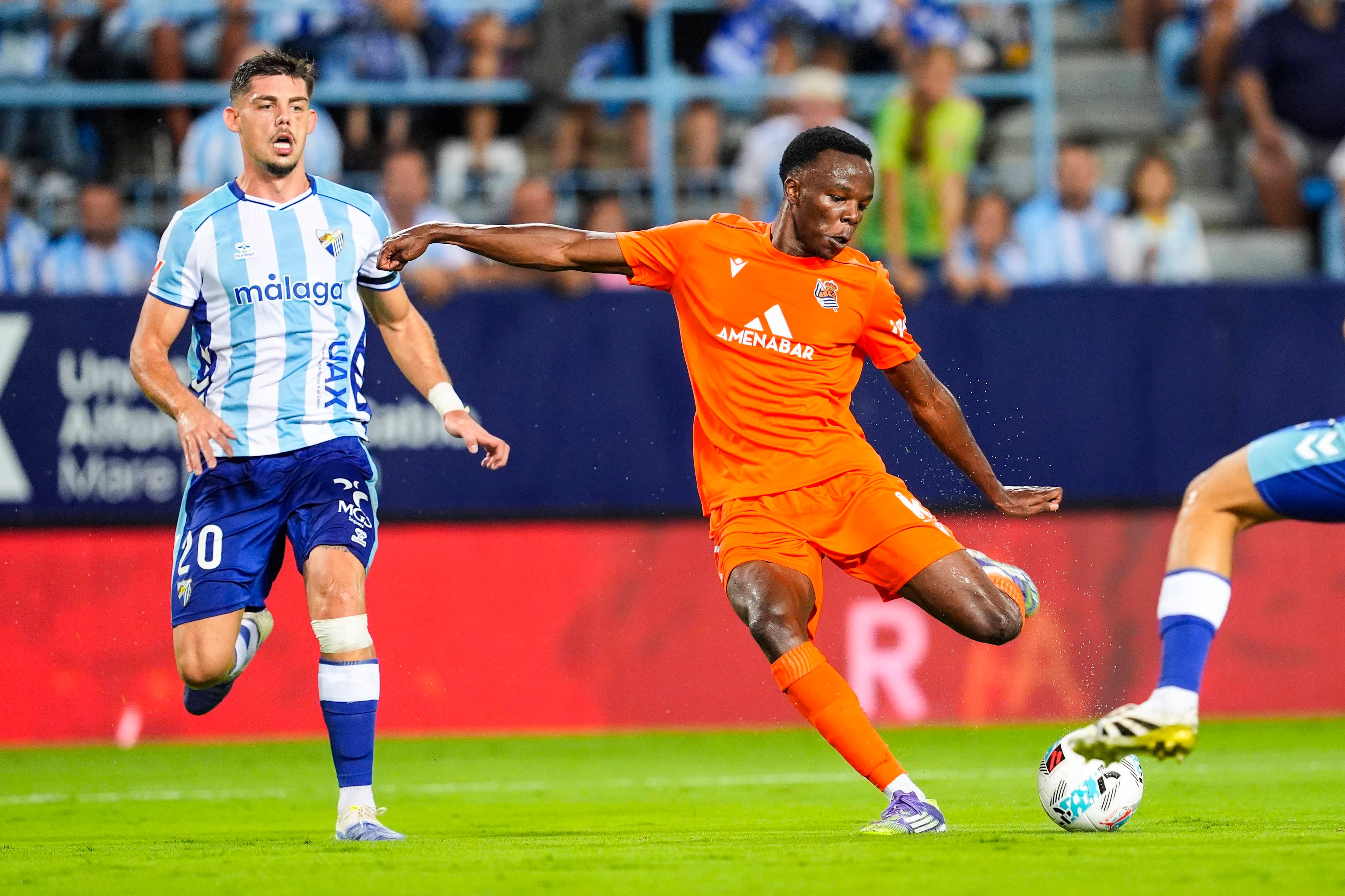
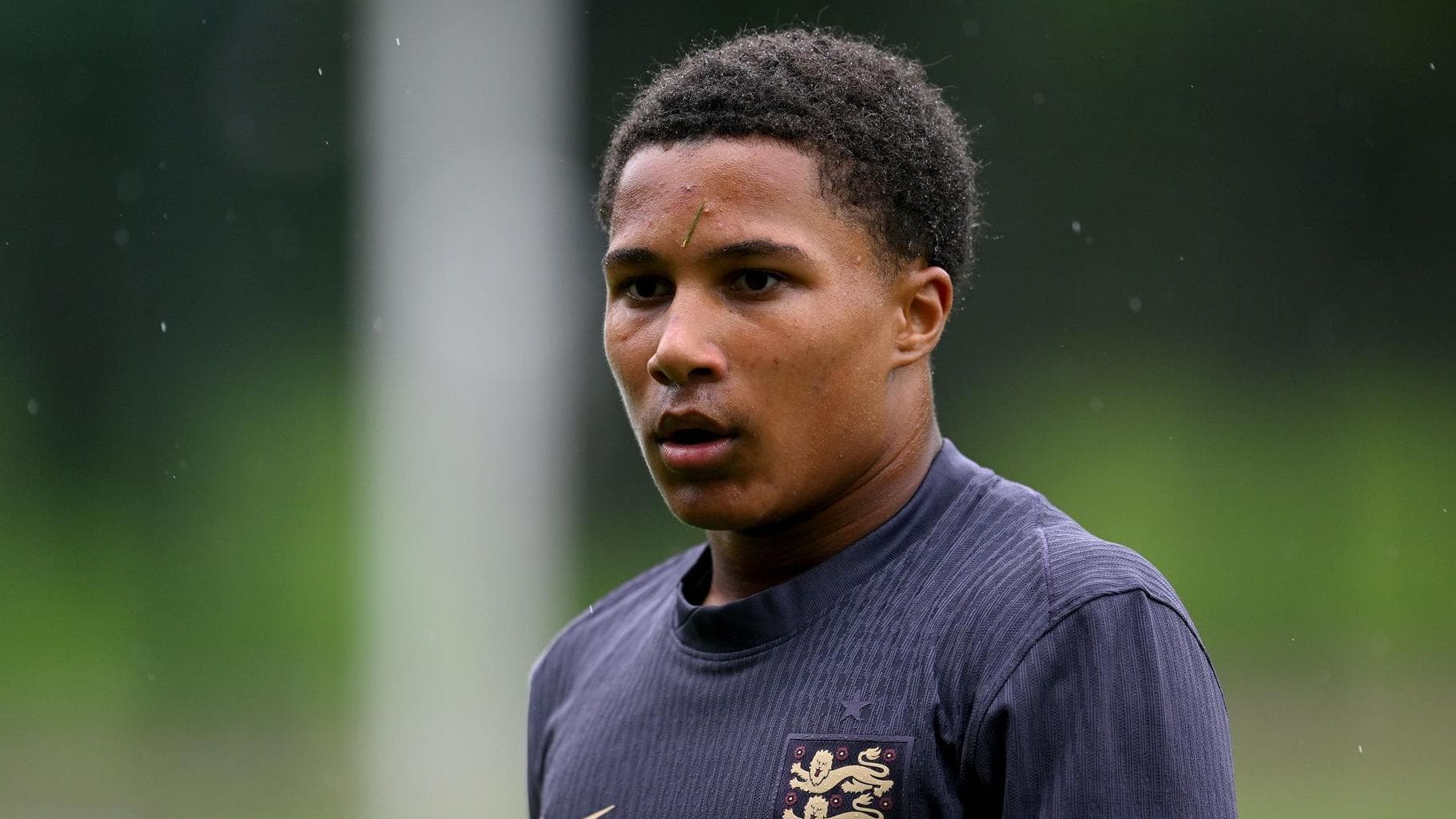
While the recent 4-1 thrashing of Wolves offered a glimpse of "Amorim-ball" in full flow, the exclusion of Kobbie Mainoo remains a festering wound. The 20-year-old academy graduate, a hero of the FA Cup triumph just 18 months ago, has struggled for minutes this season, sparking rumors of a January exit.
Scholes has been particularly vocal, suggesting Mainoo should look to leave if the situation doesn't change. Amorim, however, insists the decision is purely tactical, though he admitted, "It’s harder for me to speak after the game... all of them are the same."
For the millions of United supporters in Kenya, this admission is a double-edged sword. On one hand, there is relief that the manager is not gaslighting the fans with toxic positivity. On the other, the reality of another season fighting for scraps—rather than the title—is a bitter pill to swallow.
In the sports bars of Westlands and the local joints in Githurai, the debate is no longer about "trusting the process" but about the identity of the club. The fear is that United is becoming a "cup team"—capable of brilliance in moments (like the Wolves win) but lacking the consistency to challenge the likes of City or Arsenal over 38 games.
"If I'm winning, I can go to the games on a horse," Amorim joked darkly. "The problem is that me as a manager, I'm not doing good enough. That is the only problem."
As United prepare to face Bournemouth, the demand from Nairobi is clear: less talk of underachieving, and more of the ruthlessness that defined the badge for decades.
Keep the conversation in one place—threads here stay linked to the story and in the forums.
Sign in to start a discussion
Start a conversation about this story and keep it linked here.
Other hot threads
E-sports and Gaming Community in Kenya
Active 9 months ago
The Role of Technology in Modern Agriculture (AgriTech)
Active 9 months ago
Popular Recreational Activities Across Counties
Active 9 months ago
Investing in Youth Sports Development Programs
Active 9 months ago