We're loading the full news article for you. This includes the article content, images, author information, and related articles.
TikTok averts a potentially damaging public trial by settling a lawsuit alleging its app design fuels youth addiction, leaving Meta and YouTube to face the jury alone.
In a dramatic eleventh-hour maneuver, TikTok has reached a confidential settlement in a landmark lawsuit that threatened to expose the inner workings of its "addictive" algorithm. The deal, struck just hours before jury selection was set to begin in Los Angeles, allows the video giant to avoid a high-stakes public trial but leaves critical questions about the safety of its platform unanswered.
The lawsuit, brought by a 19-year-old plaintiff identified only as "K.G.M.," alleged that TikTok's design features—specifically its "infinite scroll" and dopamine-triggering recommendation engine—were deliberately engineered to hook young users. K.G.M.'s legal team argued that this "predatory" design directly contributed to her severe depression and suicidal ideation, a claim that mirrors thousands of similar cases currently winding their way through courts globally.
Legal analysts had framed this trial as Big Tech's "tobacco moment"—a potential watershed event that could have forced the industry to reveal whether it knowingly prioritizes engagement over user safety. By settling, TikTok has effectively sealed the evidence.
"They bought their silence," said a source close to the litigation. "The public deserves to know what their internal documents say about the psychological impact of their product on developing brains. Instead, we get a check and a non-disclosure agreement."
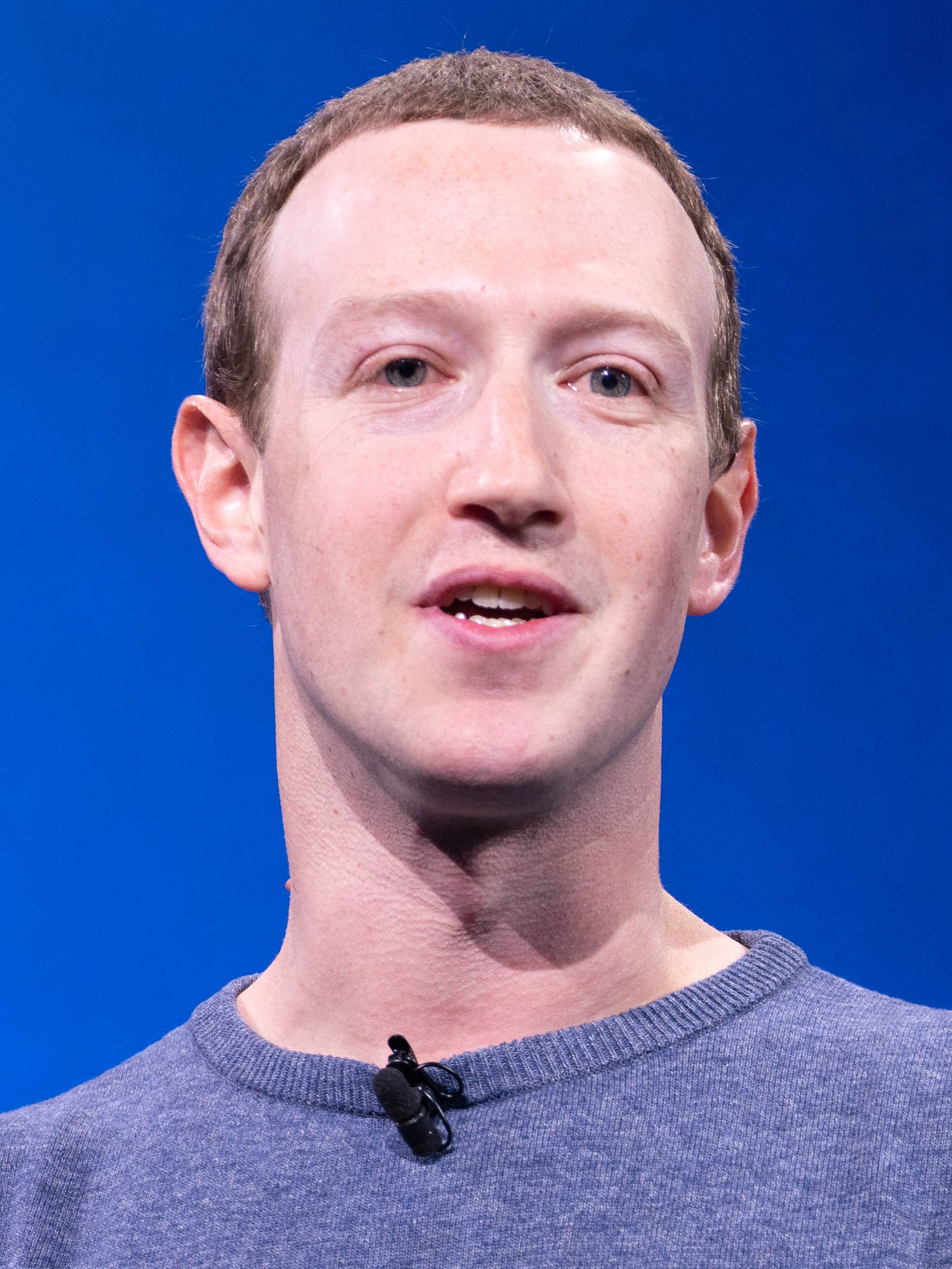
While TikTok has exited this specific legal arena, its peers are not so lucky. The trial will proceed against Meta (parent company of Instagram) and YouTube, who are facing identical allegations from the same plaintiff. This divergence sets up a fascinating legal spectacle: while TikTok retreats to the shadows, Mark Zuckerberg's empire will be forced to defend its algorithms in open court.
The settlement comes amidst a fierce global backlash against social media. From Nairobi to New York, regulators are scrambling to impose age limits and safety protocols. In Kenya, the Data Protection Commissioner has already flagged concerns over how these platforms process minors' data. This settlement may embolden critics who argue that financial penalties are merely the "cost of doing business" for trillion-dollar corporations.
For the thousands of other families waiting for their day in court, today's news is a bittersweet victory. It proves the companies are vulnerable, but it also demonstrates their immense power to make problems disappear.
Keep the conversation in one place—threads here stay linked to the story and in the forums.
Sign in to start a discussion
Start a conversation about this story and keep it linked here.
Other hot threads
E-sports and Gaming Community in Kenya
Active 10 months ago
The Role of Technology in Modern Agriculture (AgriTech)
Active 10 months ago
Popular Recreational Activities Across Counties
Active 10 months ago
Investing in Youth Sports Development Programs
Active 10 months ago
Key figures and persons of interest featured in this article