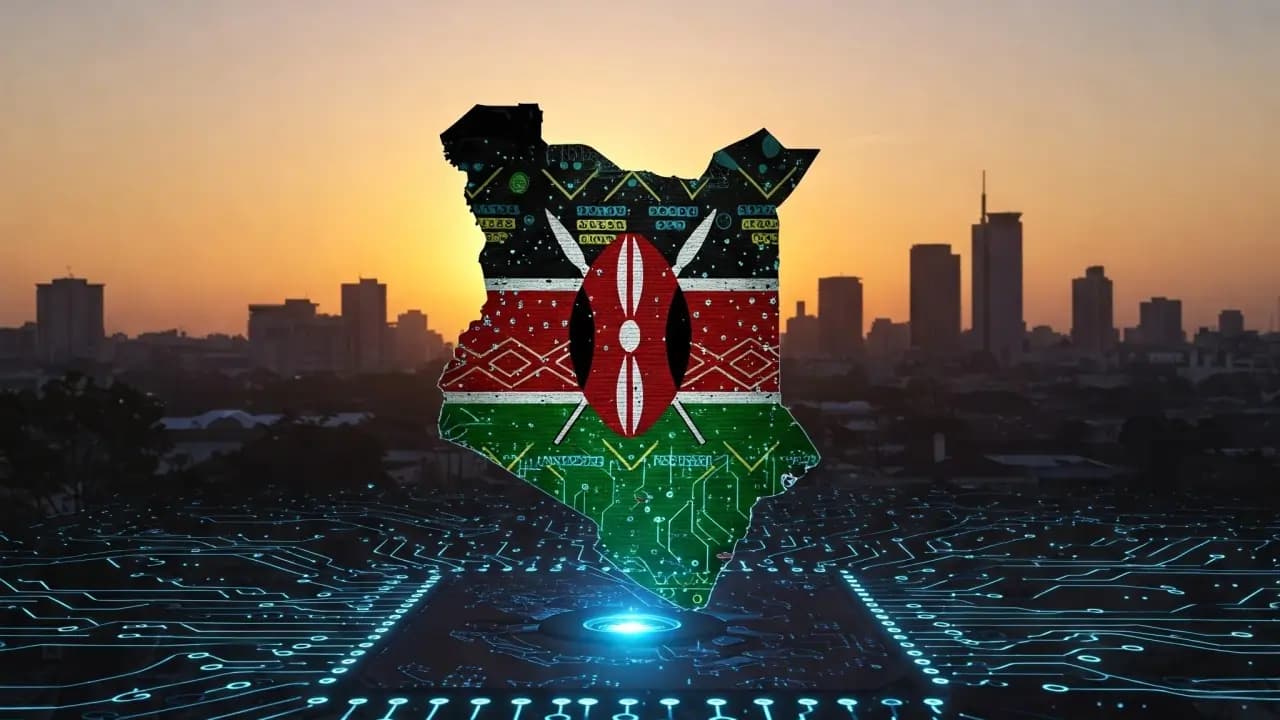
We're loading the full news article for you. This includes the article content, images, author information, and related articles.
Airtel Africa has unveiled an aggressive $900 million (approx. KES 117 billion) capital expenditure plan, spearheaded by CEO Sunil Taldar.
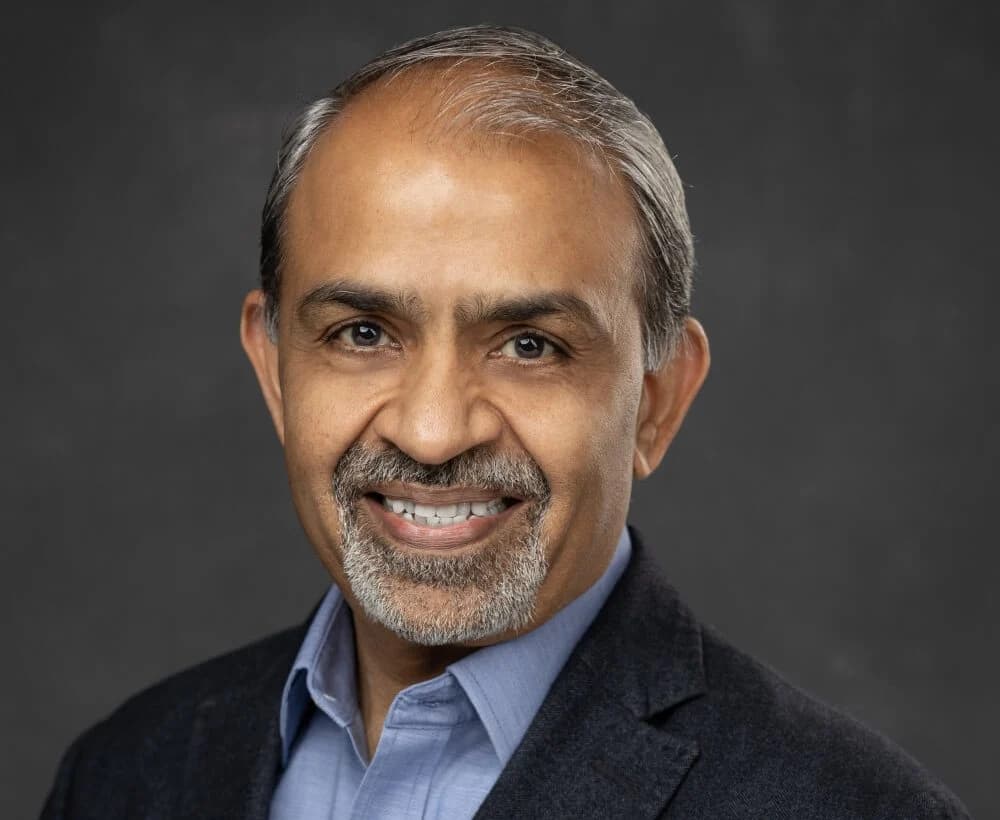
Airtel Africa has unveiled an aggressive $900 million (approx. KES 117 billion) capital expenditure plan, spearheaded by CEO Sunil Taldar, to deepen digital and financial inclusion across the continent through a landmark partnership with SpaceX's Starlink.
Telecommunications giant Airtel Africa is charting a radically aggressive path to capture the continent's booming digital economy, executing its largest investment cycle to date.
This massive infrastructural pivot arrives at a critical juncture for Africa's digital landscape. As data demand skyrockets and the continent's digital economy marches toward a projected $712 billion (approx. KES 92.5 trillion) by 2050, operators must urgently bridge the chasm between urban connectivity and rural isolation.
Airtel Africa's leadership, under the strategic direction of Chief Executive Officer Sunil Taldar, has committed between $875 million and $900 million to modernize and expand its network capacity. This massive injection of capital is primarily aimed at overhauling existing mobile tower sites, extending critical fibre backhaul, and laying the foundational architecture for widespread 4G and 5G deployment across 14 operating markets. The ultimate goal is to fortify service reliability and accommodate the explosive surge in data consumption that is currently defining the African telecommunications sector.
Financial metrics from the first half of the 2026 fiscal year underscore the necessity of this expansion. The group reported a 24.5 percent surge in revenue in constant currency, reaching $2.98 billion (approx. KES 387 billion), alongside climbing EBITDA margins. Taldar has explicitly linked this robust financial health to the company's renewed confidence in accelerating its capital expenditure. The strategy heavily leans into integrating the traditional GSM network with the highly lucrative Airtel Money ecosystem, a synergy that demands a flawless and expansive digital backbone to function optimally.
Perhaps the most disruptive element of Airtel's new strategy is its advanced integration of SpaceX's Starlink direct-to-cell satellite technology. While laying terrestrial fibre remains economically unviable in remote African geographies, low Earth orbit (LEO) satellites present an immediate bypass to these geographical constraints.
This integration ensures that Airtel becomes one of the premier operators on the continent to leverage satellite broadband at a commercial scale, a move that fundamentally alters the competitive dynamics of rural connectivity.
In Kenya, the telecommunications market is fiercely contested, with Airtel historically trailing the dominant market leader, Safaricom. However, Kenya's overall mobile service penetration and smartphone adoption—sitting at roughly 46.8 percent across Airtel's footprint but much higher locally—make it an extraordinarily attractive hub for data monetization. Currently, Airtel covers approximately 91 percent of the Kenyan population, yet the remaining rural pockets represent a significant untapped frontier.
The Starlink alliance provides Airtel Kenya with a strategic backdoor to rural supremacy. By leveraging satellite links for backhaul transmission, the telco can route traffic from remote Kenyan counties into central gateways without matching Safaricom's capital-intensive terrestrial tower footprint. This maneuver could democratize high-speed internet in Kenya's most marginalized regions, fostering a more inclusive digital economy that aligns with the government's Vision 2030 objectives.
Beyond basic internet connectivity, the KES 117 billion investment is inextricably linked to the expansion of Airtel Money. Financial inclusion in East Africa is heavily reliant on mobile money networks, and Airtel intends to utilize its upgraded infrastructure to support agent-network growth and omnichannel integration. Seamless, high-speed data networks are the lifeblood of mobile banking, and by eliminating connectivity dead zones, Airtel ensures that its financial products are universally accessible.
As the digital divide narrows, the socioeconomic implications for East Africa are profound, promising enhanced access to global markets and digital education.
"We are building the foundation for a truly digital Africa—from mobile connectivity to fintech inclusion, positioning Airtel Africa for long-term, unprecedented growth," stated CEO Sunil Taldar.
Keep the conversation in one place—threads here stay linked to the story and in the forums.
Sign in to start a discussion
Start a conversation about this story and keep it linked here.
Other hot threads
E-sports and Gaming Community in Kenya
Active 9 months ago
The Role of Technology in Modern Agriculture (AgriTech)
Active 9 months ago
Popular Recreational Activities Across Counties
Active 9 months ago
Investing in Youth Sports Development Programs
Active 9 months ago