We're loading the full news article for you. This includes the article content, images, author information, and related articles.
The era of gut instinct in sports is dead. A sophisticated new wave of artificial intelligence and biometric surveillance is seizing control of the playing field, turning athlete data into a multi-billion-dollar industry that promises to redefine human performance.
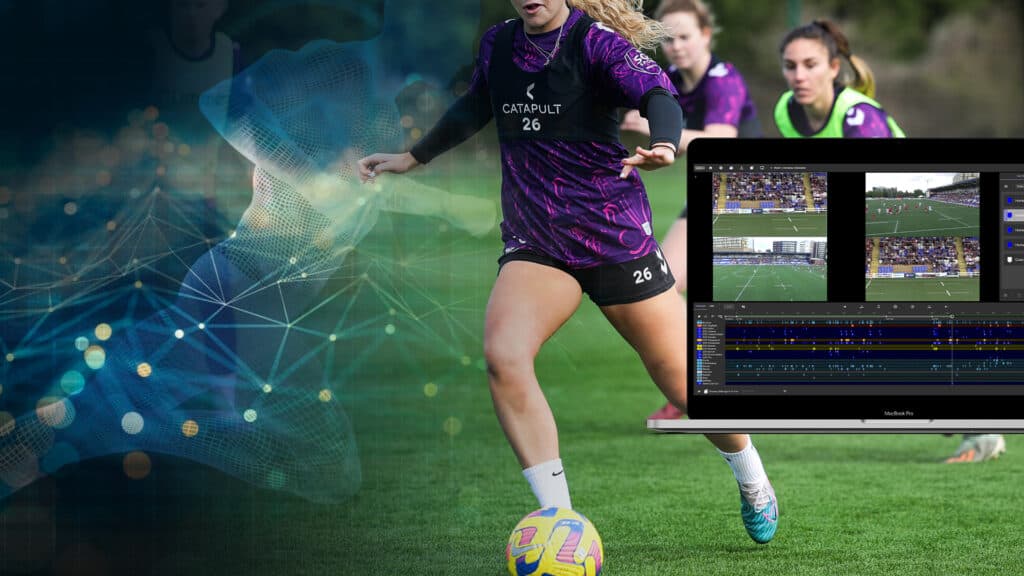
The era of gut instinct in sports is dead. A sophisticated new wave of artificial intelligence and biometric surveillance is seizing control of the playing field, turning athlete data into a multi-billion-dollar industry that promises to redefine human performance.
From the gleaming tech hubs of Shanghai to the high-performance training grounds of the Tour de France, a quiet revolution is dismantling the traditional playbook. The days of "Moneyball"—where simple statistics gave smart teams an edge—now look like ancient history. In their place, a complex ecosystem of wearable sensors, computer vision, and predictive algorithms has emerged, offering specialized firms the chance to monetize every heartbeat, sprint, and grimace of the world’s elite athletes.
The scope of this surveillance is staggering. Companies like French group SeeSports are leading the charge, deploying technology that does far more than track the ball. According to director Frank Imbach, the objective is total granular visibility. "When a professional club or federation has data on their players, we can analyze it and make recommendations on how to optimize their performance or avoid an injury," Imbach explains. This is no longer about counting goals or assists; it is about quantifying the biomechanical strain on a hamstring or the precise metabolic output of a midfielder in the 89th minute.
New camera technologies installed in stadiums now track players continuously, regardless of whether they are involved in the play. These systems create a "digital twin" of the match, capturing thousands of data points per second. Simultaneously, body sensors worn by athletes transmit real-time cardiovascular and respiratory data, feeding algorithms that can predict fatigue before the player even feels it. Arnaud Santin, a co-founder of a British startup in this space, notes that this reliability allows analysts to "recreate 100 percent of what is happening on the field," stripping away the subjectivity that has governed sports coaching for a century.
Despite the influx of silicon and code, the industry insists the human element remains paramount. The goal is not to replace the coach but to arm them with a weapon of unprecedented precision. Yet, as analysts point out, the potential for monetization is the true driver. By packaging this deep intelligence, firms are creating a new asset class: the digital athlete. This commodification of biological data raises profound questions about privacy and ownership, but the market shows no sign of slowing down.
As the World Artificial Intelligence Conference in Shanghai demonstrates, sport is merely the latest frontier for AI's expansion. The fusion of raw athletic talent with cold, hard calculation is creating a new reality where the difference between victory and defeat is measured in algorithms. For the athlete, there is nowhere left to hide; for the business of sport, the game has only just begun.
Keep the conversation in one place—threads here stay linked to the story and in the forums.
Sign in to start a discussion
Start a conversation about this story and keep it linked here.
Other hot threads
E-sports and Gaming Community in Kenya
Active 9 months ago
The Role of Technology in Modern Agriculture (AgriTech)
Active 9 months ago
Popular Recreational Activities Across Counties
Active 9 months ago
Investing in Youth Sports Development Programs
Active 9 months ago