We're loading the full news article for you. This includes the article content, images, author information, and related articles.
A global memory chip shortage, fueled by the very AI technology Microsoft is promoting, is set to drive up PC costs, directly impacting students, businesses, and families across Kenya.
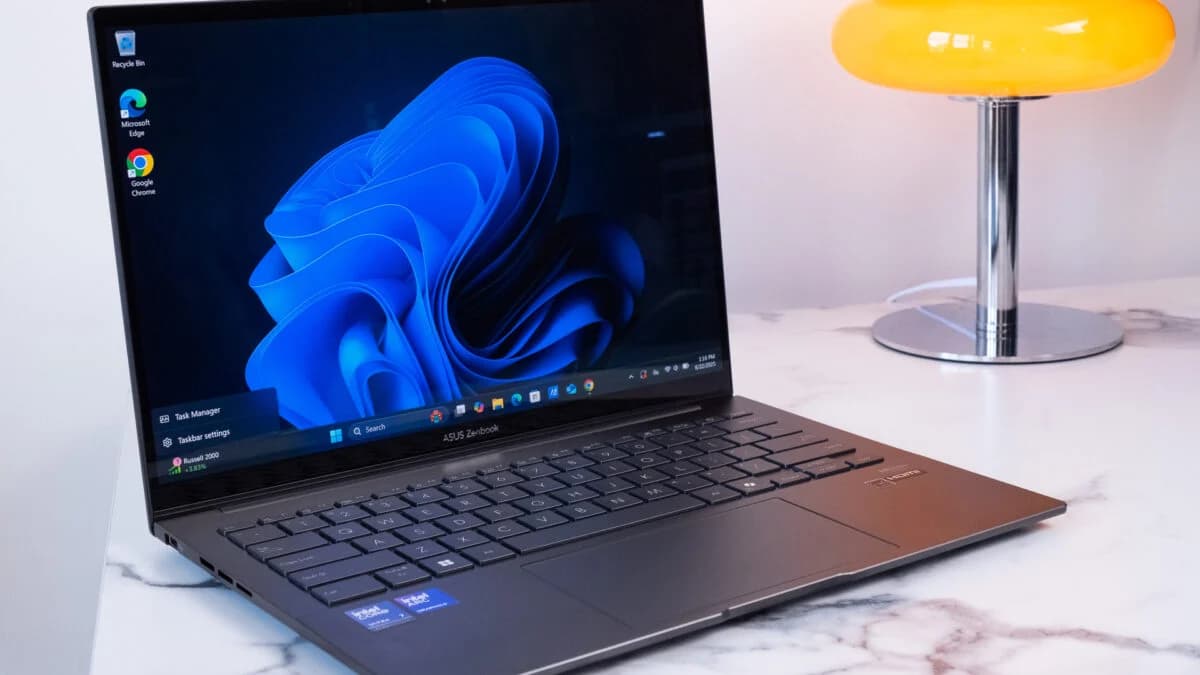
NAIROBI – Your next laptop is poised to become significantly more expensive, and the culprit is the global artificial intelligence boom. In a sharp twist of irony, Microsoft's push for a new generation of 'AI-ready' PCs is colliding with a severe memory chip shortage, threatening to price out the very consumers it aims to attract.
This situation creates a direct challenge to Kenyan households and businesses already navigating a tough economic climate. The rising cost of essential technology could widen the digital divide just as the nation accelerates its digital transformation. The core of the issue lies in the demanding hardware requirements for new "Copilot+" PCs.
Microsoft has dictated that for a laptop to earn the "Copilot+" badge, it must contain powerful new AI chips and, crucially, at least 16GB of RAM. But the AI industry itself, with its massive data centers, is consuming the lion's share of the world's high-speed memory, creating an unprecedented global shortage.
This has forced major memory producers like Samsung, SK Hynix, and Micron to prioritize lucrative data center contracts over the consumer market. Micron, a key industry player, recently reported a record quarterly revenue of $13.64 billion (approx. KES 1.76 trillion), underscoring the profitability of this shift. This pivot is directly squeezing the supply available for personal computers and smartphones.
For Kenya, a nation with a growing tech scene and increasing reliance on digital tools for education and commerce, the timing could not be worse. The market is already sensitive to price, with many consumers opting for older or refurbished models to manage costs. A significant price hike on new devices could stall progress.
Market analysis firm TrendForce has warned that manufacturers face a stark choice: absorb the soaring memory costs or pass them on to consumers. The firm predicts that to maintain affordable prices, many laptop makers may be forced to downgrade specifications, with 8GB of RAM potentially becoming the standard for mid-range models again—ironically disqualifying them from Microsoft's Copilot+ standard.
This looming price crisis presents a significant hurdle. As one analyst noted, the memory shortage is expected to persist, with supply not expected to normalize until at least 2027, ensuring that the pressure on laptop prices will continue. For Kenya, the dream of affordable, next-generation computing may have to be put on hold.
Keep the conversation in one place—threads here stay linked to the story and in the forums.
Sign in to start a discussion
Start a conversation about this story and keep it linked here.
Other hot threads
E-sports and Gaming Community in Kenya
Active 9 months ago
The Role of Technology in Modern Agriculture (AgriTech)
Active 9 months ago
Popular Recreational Activities Across Counties
Active 9 months ago
Investing in Youth Sports Development Programs
Active 9 months ago