We're loading the full news article for you. This includes the article content, images, author information, and related articles.
At 92, Judge Alvin Hellerstein presides over the historic US case against Nicolas Maduro, sparking debate on age, justice, and legal complexity.

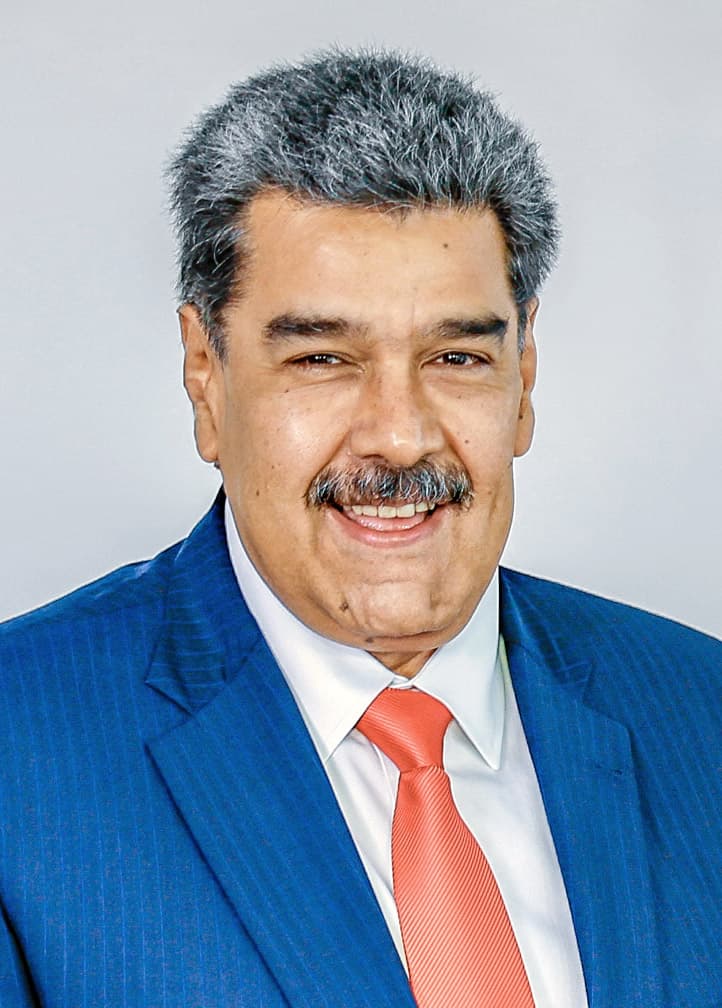
In a cavernous courtroom in Lower Manhattan, the machinery of American justice grinds against the backdrop of unparalleled geopolitical stakes. At the center of the prosecution of deposed Venezuelan leader Nicolás Maduro sits United States District Judge Alvin Hellerstein, a 92-year-old jurist whose courtroom demeanor has become as scrutinized as the high-profile case itself.
The case of United States v. Maduro Moros et al. is not merely a criminal proceeding it represents a direct confrontation between the United States Department of Justice and a foreign head of state captured during a military operation. As the world watches, the question is increasingly shifting from the guilt of the accused to the fitness of the arbiter. At 92, Hellerstein is a rarity on the federal bench, forcing a difficult national conversation regarding the capacity of the judiciary to handle matters of such immense international consequence.
Alvin Hellerstein, born in 1933, was appointed to the federal bench by President Bill Clinton in 1998. With nearly three decades of service in the Southern District of New York—frequently described as the most powerful federal prosecutor’s office in the United States—Hellerstein has cultivated a reputation for meticulous adherence to procedure and independent-minded jurisprudence. His resume is formidable, featuring presiding roles in the consolidated civil litigation following the September 11, 2001, terrorist attacks, the high-stakes fraud trial of Bill Hwang, and several recent rulings against the administration of Donald Trump.
However, the Maduro case presents a unique set of challenges that differ sharply from the complex financial fraud or civil torts that previously defined his docket. This is a criminal prosecution involving allegations of narco-terrorism, cocaine importation, and the possession of military-grade weaponry. The legal maneuvering is already intense, with defense counsel Barry Pollack aggressively challenging the jurisdiction of the court following the military capture of Maduro in Caracas this past January.
The assignment of the Maduro case to a 92-year-old judge has reignited debates about lifetime tenure for federal jurists, a hallmark of the United States legal system that contrasts with many other nations where mandatory retirement ages exist. Legal scholars and observers are divided on whether Hellerstein’s lengthy tenure is an asset or a potential vulnerability.
Former federal judge Shira Scheindlin noted in recent comments that while Hellerstein is undoubtedly savvy, the nature of the trial—potentially stretching into 2027 or 2028—creates a logistical and biological reality that the court must confront.
The implications of this trial extend far beyond the streets of New York or Caracas. For observers in Nairobi and across East Africa, the trial serves as a significant case study in the fight against transnational organized crime. Latin American drug cartels, particularly those linked to the Cartel of the Suns, have historically utilized West and East African coasts as critical trans-shipment hubs for cocaine destined for European markets. The potential dismantling of Maduro’s alleged network provides a template for international cooperation that could reshape maritime and border security protocols in the Indian Ocean region.
Economically, the case highlights the volatility of state-sponsored illicit trade. As US authorities continue to block funding for Maduro’s legal defense based on sanctions regulations, the trial will test the limits of how international assets are treated in domestic criminal courts. This sets a precedent that will be closely watched by global financial regulators and international law firms currently navigating similar sanctioned environments across Africa and Asia.
As the court prepares for the next phase of hearings, the focus remains on the "Ker-Frisbie" doctrine, which permits US courts to exercise jurisdiction over defendants regardless of the manner in which they were brought before the court. Hellerstein’s role is to ensure that the process remains shielded from the intense political pressure exerted by both the Trump administration and the remaining loyalists in the Venezuelan government. Whether he remains the steady hand required for this historic task or whether the sheer weight of the trial demands a different approach, the eyes of the international legal community are fixed on his courtroom.
Justice, in the American tradition, is meant to be blind, but in the case of United States v. Maduro, it is increasingly being viewed through the lens of time itself. As the proceedings move forward, Judge Hellerstein stands as the final barrier between a chaotic geopolitical crisis and the formal, albeit controversial, application of US federal law.
Keep the conversation in one place—threads here stay linked to the story and in the forums.
Sign in to start a discussion
Start a conversation about this story and keep it linked here.
Other hot threads
E-sports and Gaming Community in Kenya
Active 10 months ago
The Role of Technology in Modern Agriculture (AgriTech)
Active 10 months ago
Popular Recreational Activities Across Counties
Active 10 months ago
Investing in Youth Sports Development Programs
Active 10 months ago
Key figures and persons of interest featured in this article