We're loading the full news article for you. This includes the article content, images, author information, and related articles.
**A powerful convergence of global investment, ambitious continental policy, and diversifying markets is poised to more than double Africa's solar power capacity by 2028, heralding a new era of energy security and economic opportunity for Kenya.**

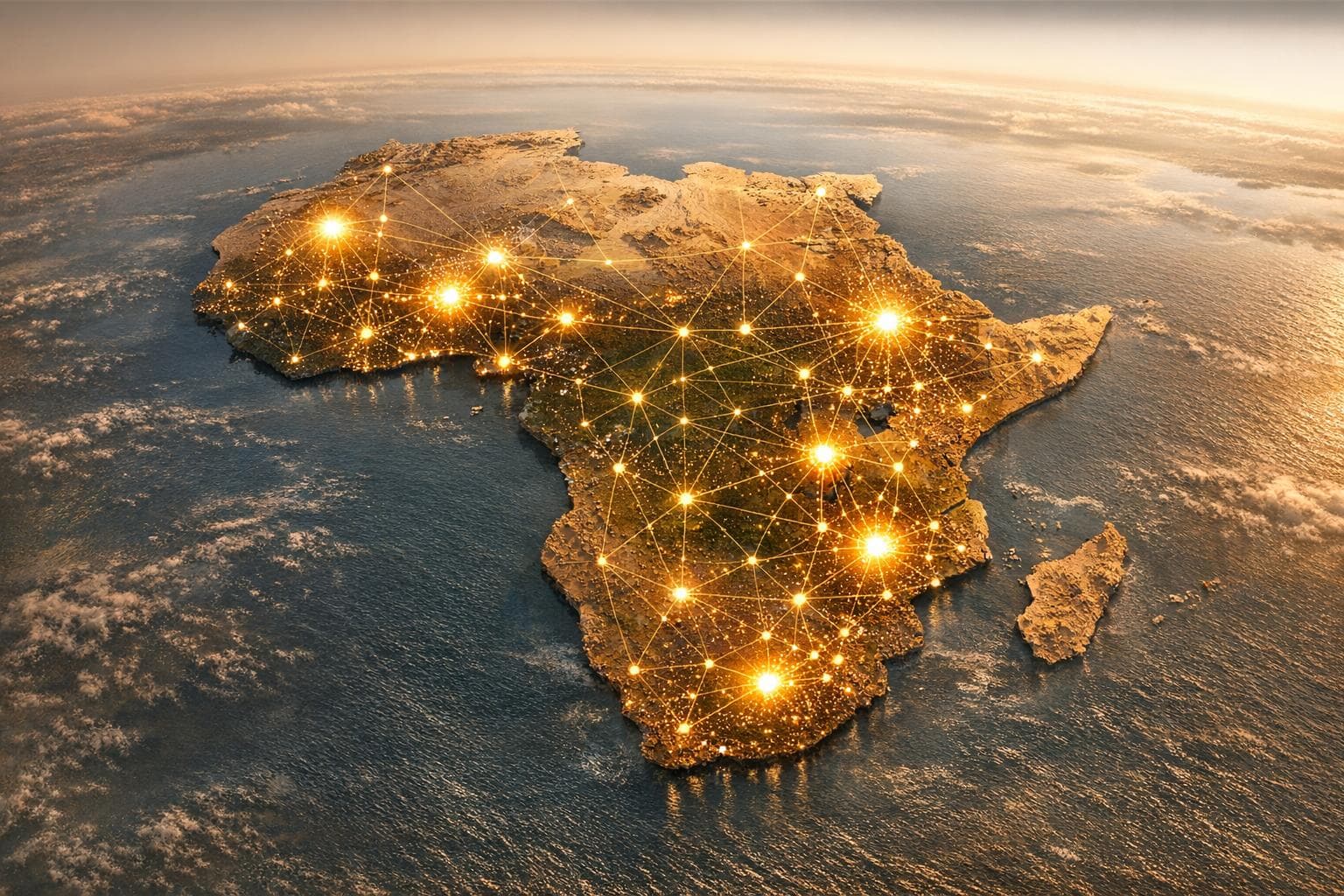
Africa is standing on the brink of a solar energy revolution, with 2026 emerging as a pivotal year in its historic shift from fossil fuels to clean, sustainable power. A dramatic acceleration in solar deployment is underway, promising to reshape the continent's economic future.
This is not just gradual progress; it is a breakaway moment. The core of this transformation lies in the powerful alignment of international financial commitments with Africa's own bold vision for a green future. For Kenyans, this surge translates directly into the potential for more stable power, cleaner air, and new jobs in a burgeoning green economy.
The momentum gained significant force at the COP30 climate summit in Brazil in November 2025, where world leaders reaffirmed their commitment to triple global renewable energy capacity. Crucially, these discussions resulted in pledges of over $50 billion (approx. KES 6.45 trillion) in new financing specifically for African renewable projects. This fresh capital injection is designed to de-risk investments and supercharge the development of both large-scale solar farms and vital off-grid solutions for underserved communities.
This global push is amplifying the goals of the landmark 2023 Nairobi Declaration, in which African leaders committed to expanding the continent's renewable capacity from 56 GW in 2022 to at least 300 GW by 2030. Analysts project this alignment of policy and funding will trigger a massive expansion in solar installations.
For years, Africa's solar story was dominated by South Africa. That narrative is rapidly changing. A wave of market diversification is seeing countries like Egypt, Morocco, and notably Kenya, emerge as significant players. In 2025, at least 18 African nations are expected to install over 100 MW of solar capacity, a dramatic increase from only two countries reaching that milestone in 2024.
Here in Kenya, the impact is already tangible. The nation's installed solar capacity has been growing steadily, reaching approximately 340 MW in 2024, with a clear government strategy to hit 600 MW by 2030 as part of its goal for a 100% renewable grid. This expansion is not just about large power plants; it's also empowering agriculture through solar irrigation and fueling commercial growth with rooftop installations. This diversification strengthens the entire energy system, making it more resilient and less dependent on a single source.
As Africa harnesses its immense solar resources—holding 60% of the world's best—it is not merely participating in the energy transition. It is positioning itself as a future leader in global clean energy innovation, with 2026 marking the year the world takes decisive notice.
Keep the conversation in one place—threads here stay linked to the story and in the forums.
Sign in to start a discussion
Start a conversation about this story and keep it linked here.
Other hot threads
E-sports and Gaming Community in Kenya
Active 9 months ago
The Role of Technology in Modern Agriculture (AgriTech)
Active 9 months ago
Popular Recreational Activities Across Counties
Active 9 months ago
Investing in Youth Sports Development Programs
Active 9 months ago