We're loading the full news article for you. This includes the article content, images, author information, and related articles.
The African Continental Free Trade Area is gaining momentum, promising a vast new market for Kenyan businesses. But with recent trade figures showing a slight dip and logistical hurdles remaining, can the continent's grand ambition put food on the table back home?
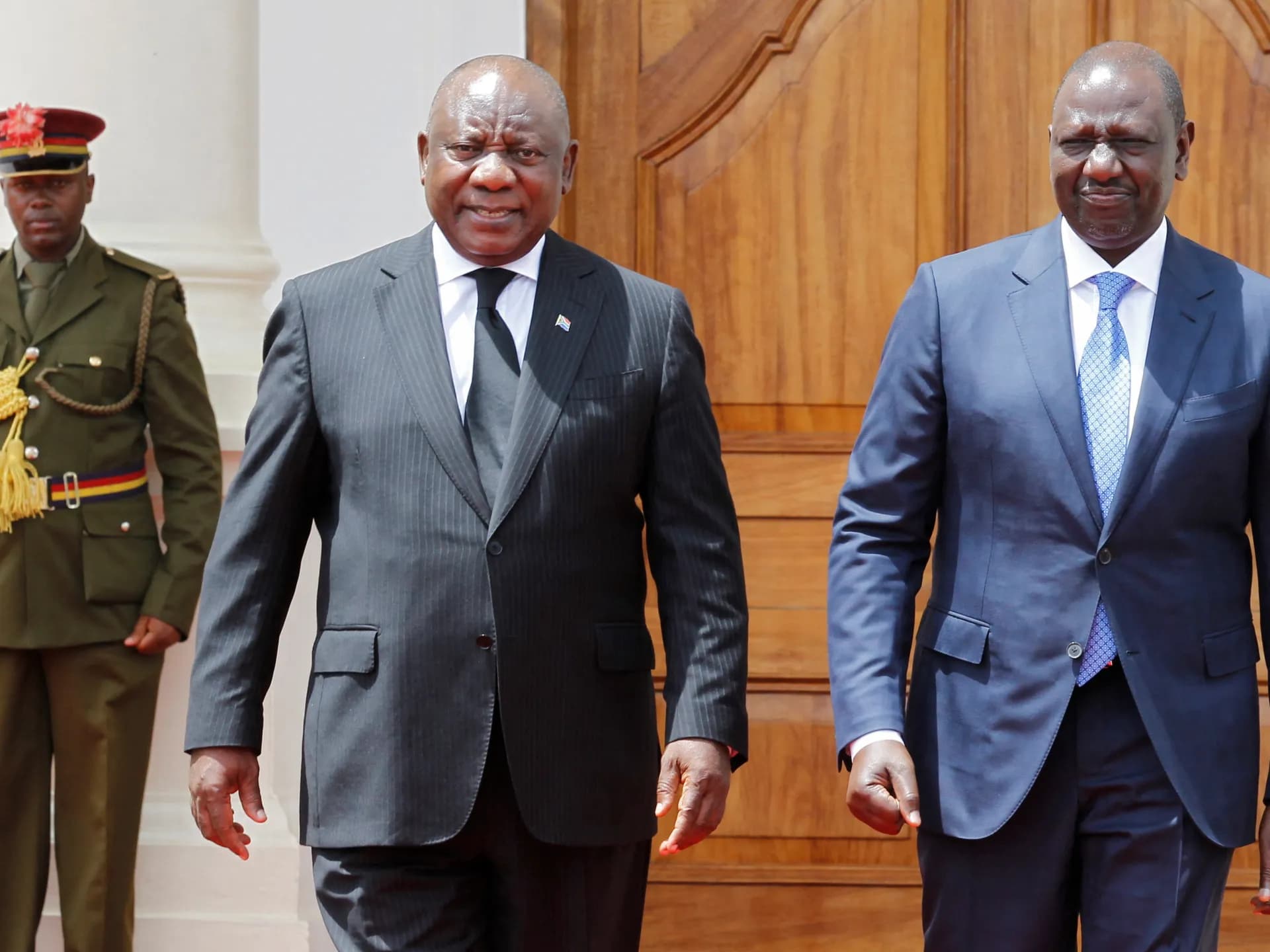
A trade revolution is sweeping across Africa, and Kenya is positioned at its very heart. The continent is aggressively pushing to dismantle economic barriers through the African Continental Free Trade Area (AfCFTA), a pact aiming to create the world's largest single market—a colossal opportunity worth over $3.4 trillion (approx. KES 499 trillion).
For Kenya, this is not just an abstract economic policy; it's a direct answer to the urgent need for jobs, diversified markets, and sustainable growth. The AfCFTA promises Kenyan farmers, manufacturers, and innovators access to 1.3 billion potential customers, a dramatic expansion from the traditional, and often volatile, markets in Europe and Asia.
Recent data from the East African Community (EAC) paints a vibrant picture of progress. In the first quarter of 2025, the EAC recorded a remarkable trade surplus of $0.8 billion (approx. KES 117 billion), a stark reversal from a $4.0 billion deficit in the same period of 2024. This surge was largely fueled by a 53.9% growth in trade within the African continent, underscoring the tangible benefits of regional integration.
The government has publicly committed to seizing this moment. Speaking at a recent business forum, Cabinet Secretary for Investments, Trade and Industry, Hon. Lee Kinyanjui, emphasized that the solutions to Africa's challenges lie within. "It is essential for countries within the continent to strengthen intra-African trade," he noted, highlighting the government's strategy to position Kenya as a premier hub for trade and innovation.
This ambition is backed by a national strategy (2022-2027) designed to leverage the AfCFTA, with a goal to boost the manufacturing sector's value by 5% annually. Kenya was one of the first nations to ratify the agreement and participate in its pilot phase, signaling strong political will.
However, the road to a borderless African market is not without its obstacles. A recent report highlighted that poor transport networks remain a critical hindrance. For many Kenyan businesses, the cost of shipping a container from Mombasa to Kampala can be higher than shipping it from China, a stark illustration of the logistical inefficiencies that stifle growth. These non-tariff barriers, from inconsistent customs procedures to infrastructure gaps, threaten to undermine the potential gains.
Furthermore, recent data has introduced a note of caution. Despite the regional upswing, the value of trade between Kenya and other African nations saw a marginal 0.32% dip in the nine months leading to September 2024, the first such drop in four years. This coincided with a report from the African Development Bank noting that Kenya had become more difficult to visit for non-EAC Africans, a potential challenge for trade in services and movement of people.
For the average Kenyan, the success of intra-African trade hinges on translating continental ambition into local opportunity. The AfCFTA is designed to do just that by fostering regional value chains. Instead of exporting raw materials, the goal is to process goods locally, creating jobs and capturing more value. For instance, Kenya's growing textile and food processing industries could see significant expansion by serving a larger African market.
While analysts remain optimistic about the long-term benefits, they acknowledge the complexities. The African Export-Import Bank (Afreximbank) noted that a persistent trade finance gap, estimated at around $100 billion (approx. KES 14.6 trillion) annually across the continent, continues to hinder the growth of small and medium-sized enterprises.
The journey towards a fully integrated African market is a marathon, not a sprint. As Kenya navigates the immense opportunities and tangible challenges, the ultimate measure of success will be the creation of resilient, self-sustaining economies that benefit every citizen. As Haytham Elmaayergi of Afreximbank aptly put it, the goal is to ensure that countries like Ethiopia and Kenya, with strong supply capacity, are not overlooked while others import goods from distant continents.
Keep the conversation in one place—threads here stay linked to the story and in the forums.
Sign in to start a discussion
Start a conversation about this story and keep it linked here.
Other hot threads
E-sports and Gaming Community in Kenya
Active 9 months ago
The Role of Technology in Modern Agriculture (AgriTech)
Active 9 months ago
Popular Recreational Activities Across Counties
Active 9 months ago
Investing in Youth Sports Development Programs
Active 9 months ago
Key figures and persons of interest featured in this article