We're loading the full news article for you. This includes the article content, images, author information, and related articles.
Tanzanian President Samia Suluhu and AfDB head Akinwumi Adesina delivered a mandate: Africa is a prime investment destination.
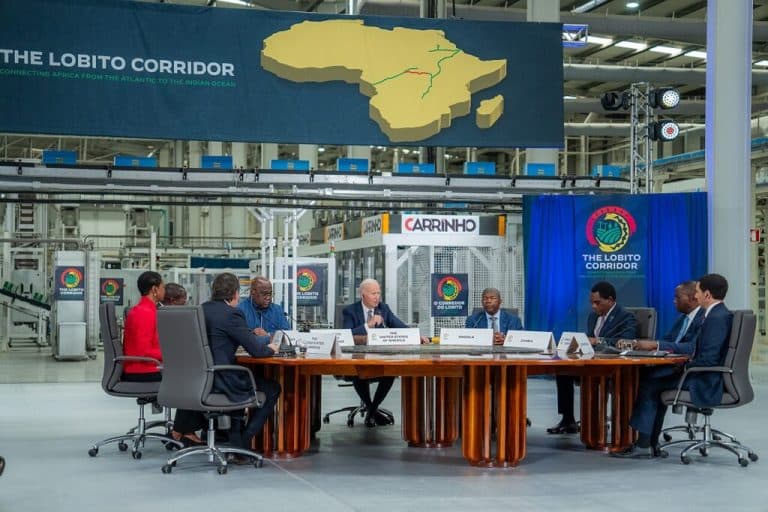
Tanzanian President Samia Suluhu and AfDB head Akinwumi Adesina delivered a powerful mandate: the African continent must be treated as a prime investment destination, not a perpetual charity case.
Speaking to global financial leaders, the prominent African voices dismantled the outdated narrative of dependency, showcasing the continent's rapid industrialization, vast unexploited markets, and critical role in the global green energy transition.
This paradigm shift is essential now because global capital is seeking new growth frontiers as Western markets stagnate. By demanding equitable partnerships rather than donor handouts, Africa is repositioning itself to command fair value for its resources and demographic dividend.
For decades, the West has approached Africa through the lens of developmental aid, a strategy that has arguably perpetuated dependency rather than fostering sustainable growth. President Samia's administration in Tanzania exemplifies the new approach: actively courting massive foreign direct investment (FDI) in infrastructure and energy while aggressively cutting bureaucratic red tape. The focus is strictly on mutually beneficial commercial ventures.
Dr. Adesina of the African Development Bank reinforced this, pointing to the continent's massive infrastructure deficit not as a crisis, but as a trillion-dollar investment opportunity. From the standard gauge railways connecting East Africa to the massive solar farms in the Sahara, the projects require serious capital, not pity. They offer strong returns for investors willing to navigate the landscape.
Kenya and Tanzania are actively competing to be the premier logistics and financial hubs of East Africa. Both nations are aggressively upgrading their ports (Mombasa and Dar es Salaam) to facilitate regional trade. The message is clear: the region is open for business, but on its own terms. They are seeking partners to build value-addition industries locally, rather than merely exporting raw materials.
This shift requires a change in risk perception from global markets. African leaders argue that the perceived risk of investing in the continent is artificially inflated by outdated biases, resulting in unfair risk premiums that stifle capital flow.
The global transition to renewable energy cannot happen without Africa, which holds vast reserves of cobalt, lithium, and copper. The new doctrine dictates that these minerals will no longer be extracted and shipped overseas for processing. Investment must include local refining and battery manufacturing capabilities.
This is a non-negotiable stance for the new generation of African leadership. They recognize that exporting raw materials means exporting jobs and wealth. The true economic liberation of the continent relies on climbing the global value chain through strategic, hard-nosed investment partnerships.
"We are no longer asking for a seat at the table; we are building our own table and inviting those ready to do serious business."
Keep the conversation in one place—threads here stay linked to the story and in the forums.
Sign in to start a discussion
Start a conversation about this story and keep it linked here.
Other hot threads
E-sports and Gaming Community in Kenya
Active 9 months ago
The Role of Technology in Modern Agriculture (AgriTech)
Active 9 months ago
Popular Recreational Activities Across Counties
Active 9 months ago
Investing in Youth Sports Development Programs
Active 9 months ago