We're loading the full news article for you. This includes the article content, images, author information, and related articles.
At a global UNAIDS summit in Brazil, African nations, led by Kenya, have issued a powerful call for equitable access to groundbreaking long-acting HIV treatments, warning against a future where life-changing medicine is a luxury
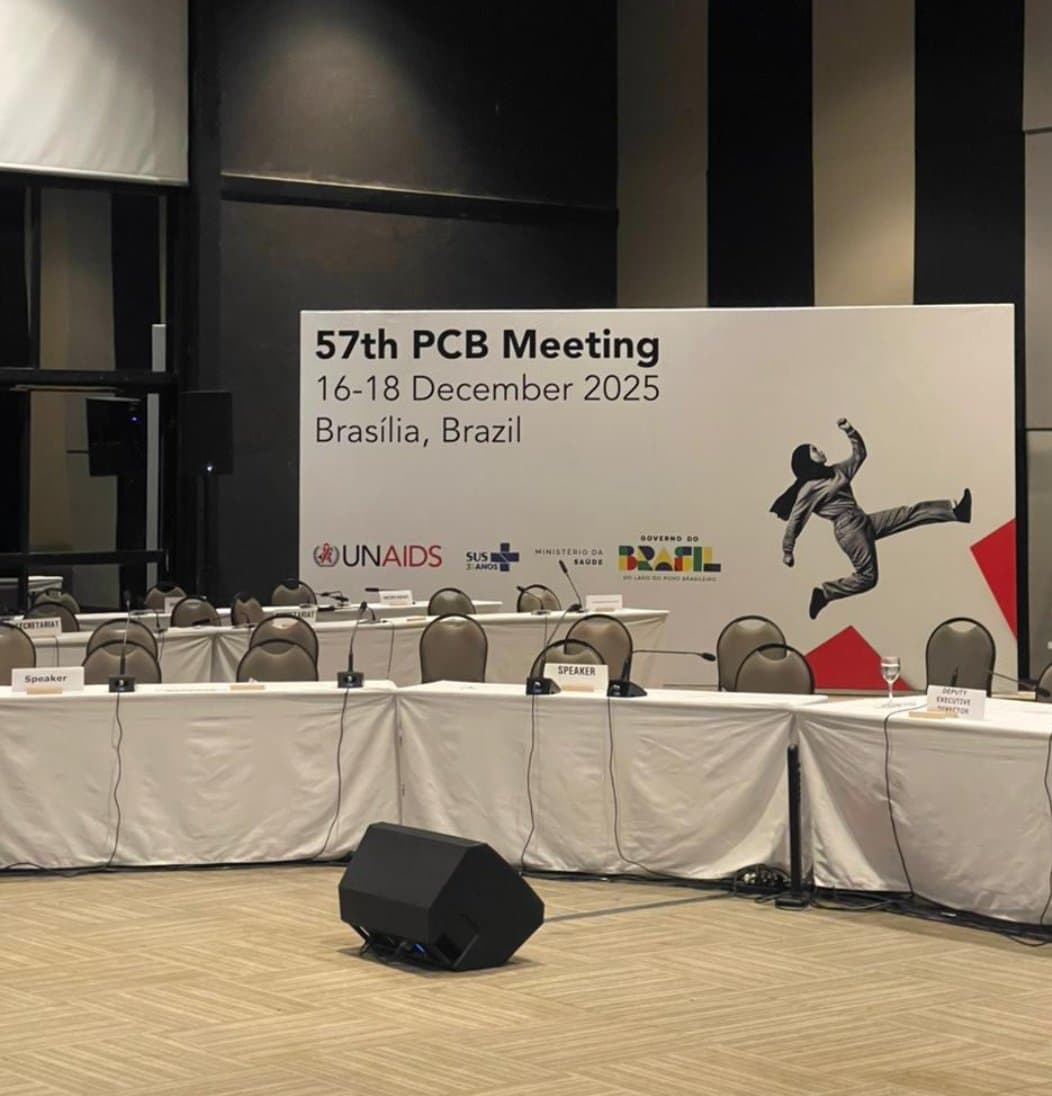
African nations have forcefully demanded fair and affordable access to the latest long-acting HIV medicines, arguing that scientific breakthroughs are meaningless if they do not reach the people who need them most. The unified call was delivered at a high-level UNAIDS meeting in Brazil by Dr. Andrew Mulwa, the head of Kenya’s National AIDS and STI Control Programme (NASCOP).
The issue is critical for Kenya, where an estimated 1.3 million people are living with HIV. While the nation has made strides in expanding access to daily antiretroviral therapy (ARVs), the advent of long-acting injectables—which can replace daily pills with an injection every few months—represents a paradigm shift in managing the epidemic. This innovation, however, comes with a prohibitive price tag in Western markets, sparking fears of a new divide in global health.
In his address on behalf of African member states, Dr. Mulwa emphasized the transformative potential of these new drugs. He noted that they could dramatically improve treatment adherence for individuals who face challenges with daily oral medication due to social stigma, economic instability, or other structural barriers. This is particularly crucial for vulnerable groups where treatment gaps persist.
Key challenges in the current HIV response in Africa include:
The core of Africa's demand centres on cost. Long-acting injectables like Cabotegravir have a list price in the United States of over $22,000 (approx. KES 2.8 million) per year. Health advocates and bodies like UNAIDS argue that generic versions could be produced for a fraction of that cost, potentially as low as $60 (approx. KES 7,800) per year, a price point that would make widespread access in low- and middle-income countries feasible.
Dr. Mulwa warned that without deliberate action to close this affordability gap, the world risks creating a two-tiered system of HIV care. He stressed that the success of these scientific marvels depends entirely on their timely availability and integration into public health systems across Africa.
The call to action from the Brazil summit places the onus on pharmaceutical companies and global health partners to ensure that geography and economic status do not determine access to life-saving medicine. As Dr. Mulwa articulated, the goal is not just innovation, but innovation with justice, ensuring that the end of AIDS as a public health threat is a reality for everyone, everywhere.
Keep the conversation in one place—threads here stay linked to the story and in the forums.
Sign in to start a discussion
Start a conversation about this story and keep it linked here.
Other hot threads
E-sports and Gaming Community in Kenya
Active 9 months ago
The Role of Technology in Modern Agriculture (AgriTech)
Active 9 months ago
Popular Recreational Activities Across Counties
Active 9 months ago
Investing in Youth Sports Development Programs
Active 9 months ago