We're loading the full news article for you. This includes the article content, images, author information, and related articles.
Following the Junior Stars' painful exit from the U17 AFCON qualifiers, the Football Kenya Federation is under pressure to turn long-standing promises of grassroots reform into tangible results on the pitch.
Kenya’s latest shot at youth football glory ended in heartbreak this week after the Junior Stars were decisively beaten 3-0 by Ethiopia, shattering their dreams of qualifying for the U17 Africa Cup of Nations. The loss in the CECAFA Zonal qualification playoff in Addis Ababa has magnified the urgent calls for a fundamental overhaul of how Kenya develops its young talent.
The defeat serves as a stark reality check against the ambitious blueprints often touted by the Football Kenya Federation (FKF). While the youth side showed flashes of promise during the tournament—including victories over Rwanda and South Sudan—their failure to secure a ticket to the continental stage raises critical questions about the effectiveness of the country's youth football structures. For the average Kenyan family, it’s a familiar story of hope followed by disappointment, leaving many to wonder when, or if, the nation’s passion for football will translate into international success.
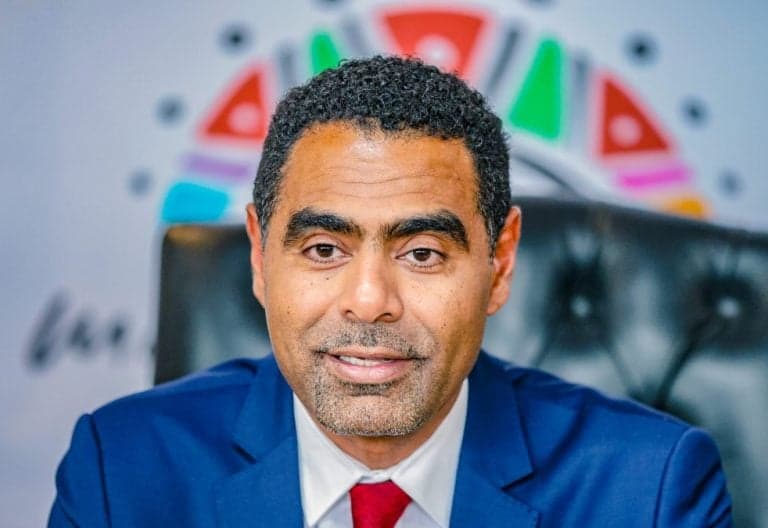
In the wake of the result, attention has swung back to FKF President Nick Mwendwa’s administration and its long-professed commitment to grassroots football. For years, the federation has spoken of creating a robust talent pipeline. As far back as 2016, Mwendwa launched initiatives aimed at Under-13 and Under-15 leagues, promising that these children would be formidable players by 2022-2026. More recently, the federation has emphasized partnerships with schools and a strategic plan to restructure local leagues to be more competitive and professional.
These plans are often supported by significant funding. Between 2016 and 2022, FIFA invested approximately $11.1 million (approx. KES 1.7 billion) into Kenyan football through its Forward Development Programme. Furthermore, for the 2023-2026 cycle, FKF was allocated KES 1 billion from the same program. Yet, the gap between investment and international results at the youth level persists, a frustration felt deeply by fans and aspiring players alike.
Analysts argue that the challenge lies not in the vision, but in execution. While programs like FIFA’s “Football for Schools,” which aims to distribute thousands of footballs, are commendable, sustainable success requires more. The core issues, many note, remain a lack of adequate infrastructure, limited access to quality coaching, and a fragmented system where promising players discovered at 13 can easily fall through the cracks by 16.
The federation's strategy involves several key pillars:
The journey of the Junior Stars in Ethiopia—a mix of spirited wins and critical losses—underscores both the potential and the pitfalls. After a 3-1 semi-final loss to Tanzania, the final blow came from the hosts, leaving the young players visibly dejected. Their experience now becomes a catalyst. The question on every football fan's mind is whether this latest setback will finally be the wake-up call needed to bridge the gap between planning and performance, ensuring the next generation of Stars has a fighting chance on the continental stage.
Keep the conversation in one place—threads here stay linked to the story and in the forums.
Sign in to start a discussion
Start a conversation about this story and keep it linked here.
Other hot threads
E-sports and Gaming Community in Kenya
Active 9 months ago
The Role of Technology in Modern Agriculture (AgriTech)
Active 9 months ago
Popular Recreational Activities Across Counties
Active 9 months ago
Investing in Youth Sports Development Programs
Active 9 months ago