We're loading the full news article for you. This includes the article content, images, author information, and related articles.
Health CS Aden Duale used the Silva Gigiri launch in Nairobi to spotlight the link between housing, wellness, sustainability and Kenya’s future urban health agenda.
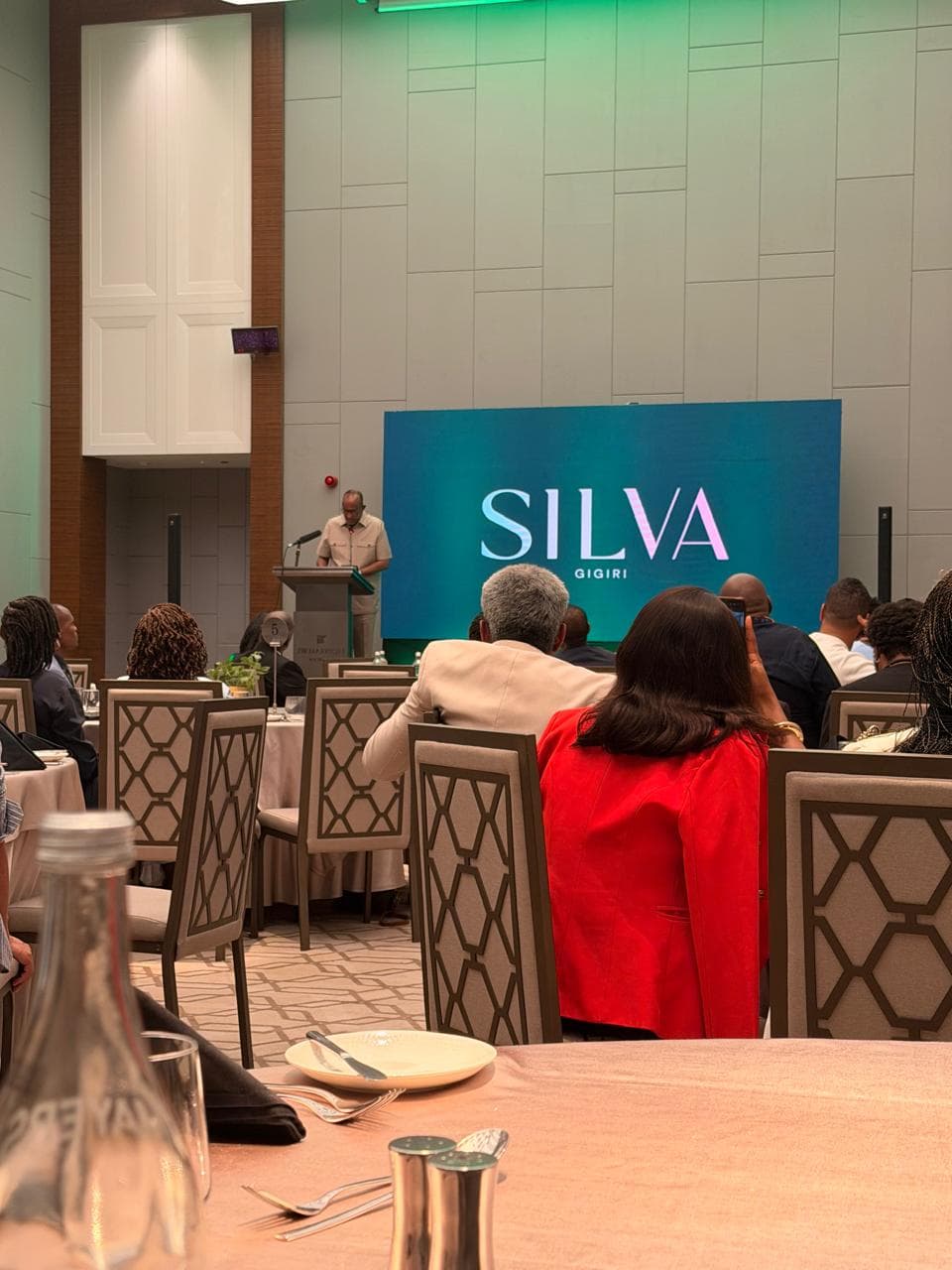
In Nairobi, luxury property launches usually follow a familiar script. There is the polished branding, the architecture language, the investment pitch and the inevitable promise of exclusivity. But the unveiling of Silva Gigiri took a different turn. Beneath the language of premium living and global standards, one message stood out sharply: where people live is not only a property issue. It is a health issue.
That was the deeper significance of Health Cabinet Secretary Aden Duale’s presence at the launch of the Gigiri development on Friday, March 27. Public reporting on the event confirmed that Duale presided over the unveiling, while material prepared for the ceremony framed the project as closely aligned with a national conversation about wellness, resilience and the relationship between the built environment and public health.
Silva Gigiri itself is being positioned as a high-end residential development in Nairobi’s UN Blue Zone, a part of Gigiri defined by diplomacy, international institutions, security and mature greenery. Its brochure presents it as an internationally branded, hospitality-led residential sanctuary targeting diplomats, expatriates, executives and premium buyers, with studios, one-, two- and three-bedroom residences, plus penthouses. The project also emphasizes wellness amenities, concierge services, landscaped grounds, security systems and sustainability credentials, including a stated target of LEED certification.
But the most politically and socially interesting part of the launch was not the building itself. It was the framing.
According to the developer’s prepared speech, Silva’s vision “aligns closely” with Duale’s leadership in championing “a healthier, more resilient nation,” arguing that the environments people inhabit are deeply connected to their well-being, quality of life and long-term public health outcomes. The official press statement from the launch pushed the same idea further, saying today’s homeowner is increasingly looking not just for space or status, but for clean air, connection to nature and spaces that support both mental and physical health.
That theme also appeared in public remarks attributed to Duale after the event. In a post about the launch, he said Silva Gigiri’s emphasis on natural light, expansive green spaces and serene environments responds to rising mental health challenges while promoting mental well-being, and described the project as one that sits at the intersection of the built environment, health and national priorities.
For a country grappling with rapid urbanisation, that is no small statement.
Silva Gigiri’s unveiling landed in a city where growth is accelerating, land is tightening and new projects are rising fast across both established and emerging suburbs. Yet Nairobi’s urban expansion has often triggered a hard question: are developers merely increasing supply, or are they creating places that genuinely improve how people live? That exact question was embedded in the launch material, which asked: “Are we building more, or are we building better?”
It is a powerful question because it moves the conversation away from square footage and into quality of life.
The Silva materials repeatedly describe the project in terms of greenery, natural ventilation, environmental harmony, calm and intention. This is not just branding language. It reflects a growing recognition in both urban planning and public health that housing affects stress levels, social interaction, movement, air quality, psychological comfort and long-term community well-being. Even when launched from a luxury platform, that broader point has public significance.
In other words, Duale’s role at the event appears to have served a strategic purpose. His presence helped frame Silva not merely as another premium address for wealthy buyers, but as a case study in how housing can be discussed through the lens of wellness, prevention, resilience and healthier urban living. That interpretation is strongly supported by the event documents, though it is worth noting that the uploaded files do not contain a full verbatim speech from Duale himself.
Still, Silva is not trying to escape the economics of luxury development. Public reporting says the broader project is valued at over KSh 2 billion, with 185 units in total and 83 units on sale. Developer Mohamed Bishar, founder of Season Global, told TUKO.co.ke the development is designed to meet accommodation demand driven by the growing number of UN staff and expatriates in Nairobi. He also said the project created around 300 jobs during development and is expected to support a similar number of permanent roles in the long term.
That economic angle matters because Gigiri is not just any address. It is one of Nairobi’s rare zones where diplomatic activity, international mobility and residential desirability overlap in a way that makes the market unusually defensible. Silva’s own brochure leans into that advantage, describing Gigiri as one of the city’s most prestigious and secure neighbourhoods, with close proximity to the United Nations, major embassies, Village Market, Eaton Place and Karura Forest. It pitches the project as a long-term asset with stronger yields, lower vacancy and stable income potential.
This is where the story becomes particularly interesting. Silva is not merely selling homes. It is trying to fuse three narratives into one: health, hospitality, and investment performance.
That is an ambitious proposition, but also a revealing one. It suggests that in Nairobi’s upper-end property market, developers increasingly understand that the strongest projects can no longer rely on luxury aesthetics alone. They must also tell a convincing story about how residents will feel, function and live inside those spaces.
There is an irony at the heart of the Silva launch. It is, plainly, a premium development aimed at affluent buyers, expatriates and executives. But the language used around it points toward a broader urban challenge that affects the whole city: whether Nairobi’s future housing stock will improve daily life, or simply densify it.
That may be why Duale’s involvement drew attention. His portfolio is health, not housing. So when a health cabinet secretary appears at a luxury real estate launch and the core message revolves around mental well-being, healthier environments, climate-conscious design and a more resilient nation, the event takes on a policy undertone that would otherwise be absent.
At face value, Silva Gigiri is a high-end property story. At a deeper level, it is also a reflection of how real estate in Kenya is trying to speak a new language, one shaped by sustainability, wellness and urban responsibility.
Whether the project ultimately lives up to that language will be judged over time, through delivery, occupancy, management standards and the actual resident experience. But at launch, the message was clear enough.
Silva Gigiri was presented not just as a place to live, but as an argument: that the future of urban development in Nairobi should be quieter, greener, healthier and more intentional than the past. And in giving that message political visibility, Aden Duale helped turn a property unveiling into something larger than a sales event. He helped frame it as part of a national conversation about how Kenya should build, and what that means for the health of the people who will live inside those spaces.
“The environments we live in are deeply connected to our well-being, quality of life, and long-term public health outcomes.”
“Today’s homeowner is evolving. They are no longer just looking for space or status.”
“Are we building more, or are we building better?”
Keep the conversation in one place—threads here stay linked to the story and in the forums.
Sign in to start a discussion
Start a conversation about this story and keep it linked here.
Other hot threads
E-sports and Gaming Community in Kenya
Active 10 months ago
The Role of Technology in Modern Agriculture (AgriTech)
Active 10 months ago
Popular Recreational Activities Across Counties
Active 10 months ago
Investing in Youth Sports Development Programs
Active 10 months ago
Key figures and persons of interest featured in this article