We're loading the full news article for you. This includes the article content, images, author information, and related articles.
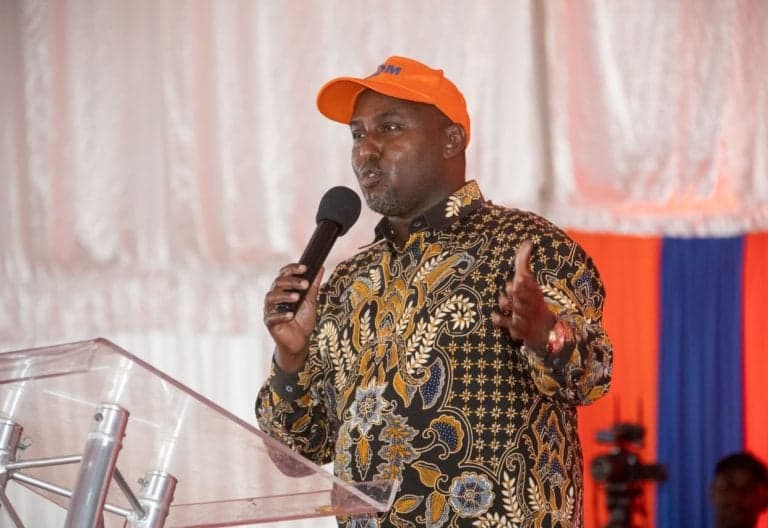
Once hailed as a leading voice of Kenya's youth movement, activist Kasmuel McOure was forced to flee an anti-femicide march in Nairobi after facing intense hostility from protesters accusing him of political betrayal.

The streets of Nairobi, once a triumphant stage for his impassioned speeches, turned viscerally hostile for Kasmuel McOure as irate protesters ruthlessly chased the activist away from a critical demonstration.
This dramatic rejection marks a stunning reversal of fortune for a figure who previously commanded the absolute attention of Kenya's Generation Z. It highlights the growing, unforgiving disillusionment among young Kenyans with protest leaders who are perceived to have compromised with the entrenched political establishment.
During the historic June and July 2024 youth-led protests that gripped the nation, McOure emerged as a magnetic, fearless voice. Articulate and perpetually suited, he was the face of a demographic demanding radical accountability and an end to punitive taxation. He navigated teargas-filled streets and engaged in high-stakes media interviews, earning the moniker of a "fearless Gen Z." His rapid ascension made him a focal point for international media attempting to decode the sudden political awakening of East Africa's largest economy.
However, the transition from street agitator to sustained political influencer is notoriously treacherous in Kenyan politics. The same digital crowds that elevated him began to scrutinize his every move, demanding absolute ideological purity. The threshold for perceived betrayal in these hyper-connected digital spheres is incredibly low, and McOure soon found himself navigating a minefield of public expectations that he ultimately failed to master.
The fundamental rupture in McOure's public standing can be traced directly back to a highly publicized incident at the Bomas of Kenya in October. During a critical public participation forum regarding the impeachment of the Deputy President, fellow activist Morara Kebaso was violently attacked and ejected by a state-sponsored mob. Instead of standing in solidarity or condemning the blatant violence, McOure took to the microphone shortly after to offer his views on the political proceedings.
This tactical misstep was immediately weaponized by his detractors on social media platform X. He was brutally labeled a "state project" and a "people's sellout." The optics of him calmly addressing a crowd that had just assaulted a fellow comrade created an indelible stain on his reputation. In the eyes of the uncompromising youth, he had crossed the invisible line from citizen advocate to an opportunist dining with the political elite.
The lingering resentment finally boiled over during the December 'EndFemicideKE' march in Nairobi's Central Business District. The march, convened to protest the alarming spike in gender-based violence across the country, drew thousands of passionate citizens. When McOure attempted to join the ranks, the reaction was immediate and merciless.
Videos widely circulated on digital platforms captured the chaotic scene. A section of the crowd turned on him, booing aggressively and chanting, "Rudi home! Enda!" (Go back home! Go!). Stripped of the hero's welcome he once enjoyed, the firebrand youth leader was forced to seek physical cover and ultimately flee the vicinity to ensure his own safety. The digital slaughter that followed on X only amplified his physical ejection from the streets.
The rapid rise and fall of Kasmuel McOure serves as a critical case study in the modern dynamics of grassroots mobilization in East Africa. The youth movement operates without central leadership, relying instead on collective, decentralized outrage. This structure means that no single individual has a permanent mandate.
Despite the overwhelming public humiliation, McOure remained outwardly defiant. Taking to his official X account hours after the incident, he sought to control the narrative. "I marched today, got booed, but still showed up. I always will," he stated, utilizing the #EndFemicideKE hashtag. He claimed he left voluntarily because he "didn't see the need to centre myself in today's march after such clear feedback."
While his resilience is notable, his ability to mobilize the masses has been undeniably shattered. He is now operating on the fringes of a movement he once helped popularize, forced to rebuild trust from ground zero in an environment that rarely offers second chances.
As the dust settles in the capital, the message from the unforgiving streets is unequivocal. The youth will ruthlessly vet their heroes, demanding unwavering consistency, and the pedestal of public trust in Kenyan activism is perilously narrow.
Keep the conversation in one place—threads here stay linked to the story and in the forums.
Sign in to start a discussion
Start a conversation about this story and keep it linked here.
Other hot threads
E-sports and Gaming Community in Kenya
Active 9 months ago
The Role of Technology in Modern Agriculture (AgriTech)
Active 9 months ago
Popular Recreational Activities Across Counties
Active 9 months ago
Investing in Youth Sports Development Programs
Active 9 months ago