We're loading the full news article for you. This includes the article content, images, author information, and related articles.
Nigeria commits to a robust economic partnership with Iran, targeting breakthroughs in cancer treatment, energy, and education through a revitalised Joint Commission.
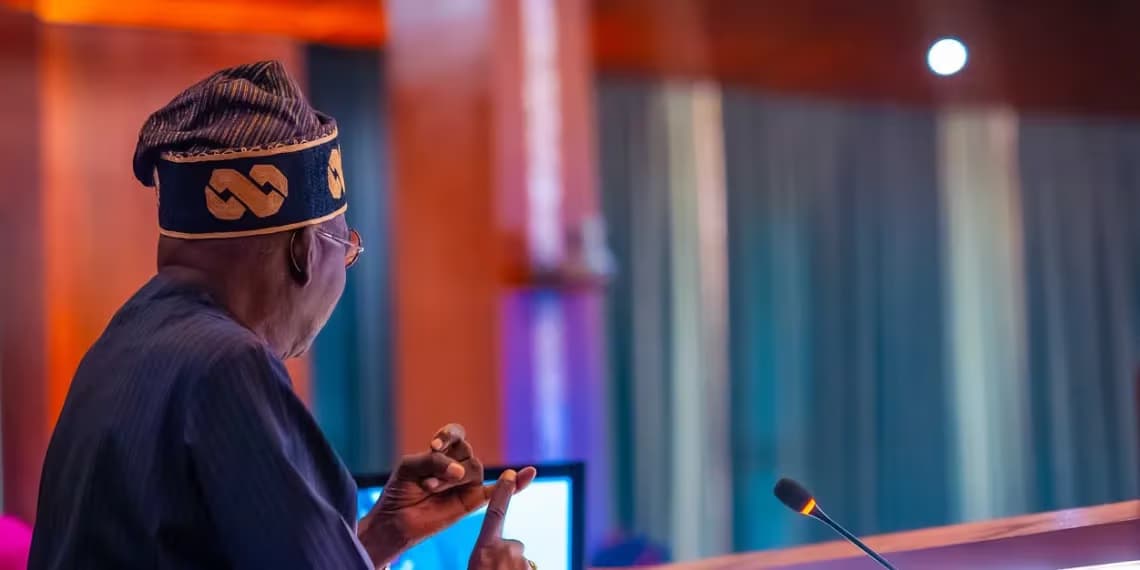
Nigeria is pivoting to reinvigorate its diplomatic and economic machinery with Iran, signalling a strategic shift in its foreign policy engagement. In a high-level meeting in Abuja, the federal government has committed to translating decades of political goodwill into hard economic assets, ranging from energy infrastructure to advanced medical technology.
The Minister of State for Foreign Affairs, Bianca Odumegwu-Ojukwu, articulated a clear vision during her dialogue with Iranian Ambassador Mahdavi Raja: the era of passive cordiality is over. Nigeria is now aggressively pursuing "tangible outcomes" through the activation of the Joint Nigeria-Iran Commission. This move comes at a critical time when Nigeria is seeking to diversify its international partnerships and leverage the technological expertise of non-traditional Western allies.
While both nations are energy giants, the conversation has moved decisively beyond crude oil. The diplomatic engagement highlighted specific sectors where Iran’s expertise could plug critical gaps in Nigeria’s development. The priority list includes pharmaceuticals, agriculture, and science and technology. This is not abstract diplomacy; it is a shopping list for national development.
Ambassador Raja emphasised the urgency of restoring full diplomatic representation in both capitals to fast-track these initiatives. He identified Nigeria as the linchpin of Iran’s Africa policy, particularly in the West African sub-region. “Ambassadorial presence is crucial for advancing mutual interests,” Raja noted, calling for the immediate convention of the 7th Session of the Joint Commission.
This deepening alliance suggests Nigeria is widening its geopolitical aperture, engaging with the Global South to find solutions to domestic challenges. By focusing on "South-South cooperation," as Ms. Odumegwu-Ojukwu termed it, Nigeria is positioning itself to benefit from shared developmental experiences rather than relying solely on aid-based relationships.
As Abuja and Tehran prepare to operationalise these agreements, the focus shifts to implementation. The Joint Nigeria-Iran Commission is no longer just a diplomatic formality; it is now the engine room for a partnership that could redefine Nigeria’s access to technology and infrastructure in the coming decade.
Keep the conversation in one place—threads here stay linked to the story and in the forums.
Sign in to start a discussion
Start a conversation about this story and keep it linked here.
Other hot threads
E-sports and Gaming Community in Kenya
Active 9 months ago
The Role of Technology in Modern Agriculture (AgriTech)
Active 9 months ago
Popular Recreational Activities Across Counties
Active 9 months ago
Investing in Youth Sports Development Programs
Active 9 months ago



