We're loading the full news article for you. This includes the article content, images, author information, and related articles.
New Infotrak data reveals a nation gripped by ‘growthless’ economic stability and a profound political void following the death of Raila Odinga.
The year 2025 is ending not with a bang, but with a collective, exhausted sigh. As families across the country gather for a muted New Year’s Eve, a new report by Infotrak Research & Consulting confirms what is already written on the faces of commuters in Nairobi’s matatus and shoppers in Kisumu’s markets: Kenyans are tired, broke, and politically adrift.
According to the year-end poll released Tuesday, the majority of citizens describe the past 12 months as “neutral to negative,” a sentiment driven by a punishing cost of living that refuses to ease and a lingering national grief following the death of opposition titan Raila Odinga.
The disconnect between government ledgers and household budgets has never been starker. While the International Monetary Fund (IMF) and World Bank have praised Kenya’s macroeconomic resilience—projecting a GDP growth of 4.8% for the year—the reality on the ground is one of stagnation.
“We are seeing what economists call ‘growth without jobs,’” noted Johana Omondi, a lead analyst at Infotrak, during the report’s launch. “The Shilling has stabilized, yes, but that stability has not translated into food on the table.”
The numbers paint a picture of a two-speed economy:
“They tell us the dollar is down, but my rent is up,” said Beatrice Wanjiku, a greengrocer in Githurai. “When I go to the wholesale market, I spend KES 5,000 ($38) for stock that used to cost me KES 3,000. Where is this growth they are singing about?”
Beyond the economic ledger, the Infotrak report highlights a profound psychological dampener on the national mood: the death of Raila Odinga. The departure of the veteran opposition leader has left a vacuum that analysts say contributes significantly to the “neutral” and uncertain outlook for the future.
For decades, Odinga was the barometer of Kenyan politics—either the fire behind the government’s heels or the handshake that calmed the storm. His absence has left a landscape that feels unmoored.
“There is a sense of political listlessness,” the report suggests. “For a large section of the electorate, particularly in Nyanza and the Coast, the year 2025 is defined not just by financial struggle, but by the loss of a champion. The ‘negative’ sentiment in our data is partly grief, and partly anxiety about who, if anyone, speaks for the common man now.”
The survey indicates that optimism for 2026 is fragile. While 47% of youth (aged 18-26) express some hope for a turnaround, the older demographic remains deeply skeptical. The prevailing sentiment is that without tangible changes in taxation policy and a clear roadmap for job creation, the new year will simply be ‘2025 Part Two.’
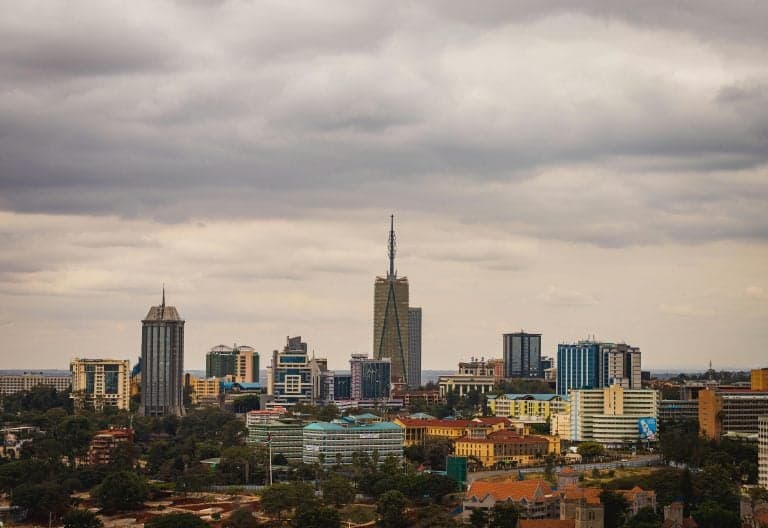
As the fireworks—fewer this year than last—light up the Nairobi skyline tonight, the message from the wananchi to the State House is clear: Stability is not enough. Kenyans need an economy that works for them, and a political vision that fills the silence left by its fallen giants.
Keep the conversation in one place—threads here stay linked to the story and in the forums.
Sign in to start a discussion
Start a conversation about this story and keep it linked here.
Other hot threads
E-sports and Gaming Community in Kenya
Active 9 months ago
The Role of Technology in Modern Agriculture (AgriTech)
Active 9 months ago
Popular Recreational Activities Across Counties
Active 9 months ago
Investing in Youth Sports Development Programs
Active 9 months ago
Key figures and persons of interest featured in this article