We're loading the full news article for you. This includes the article content, images, author information, and related articles.
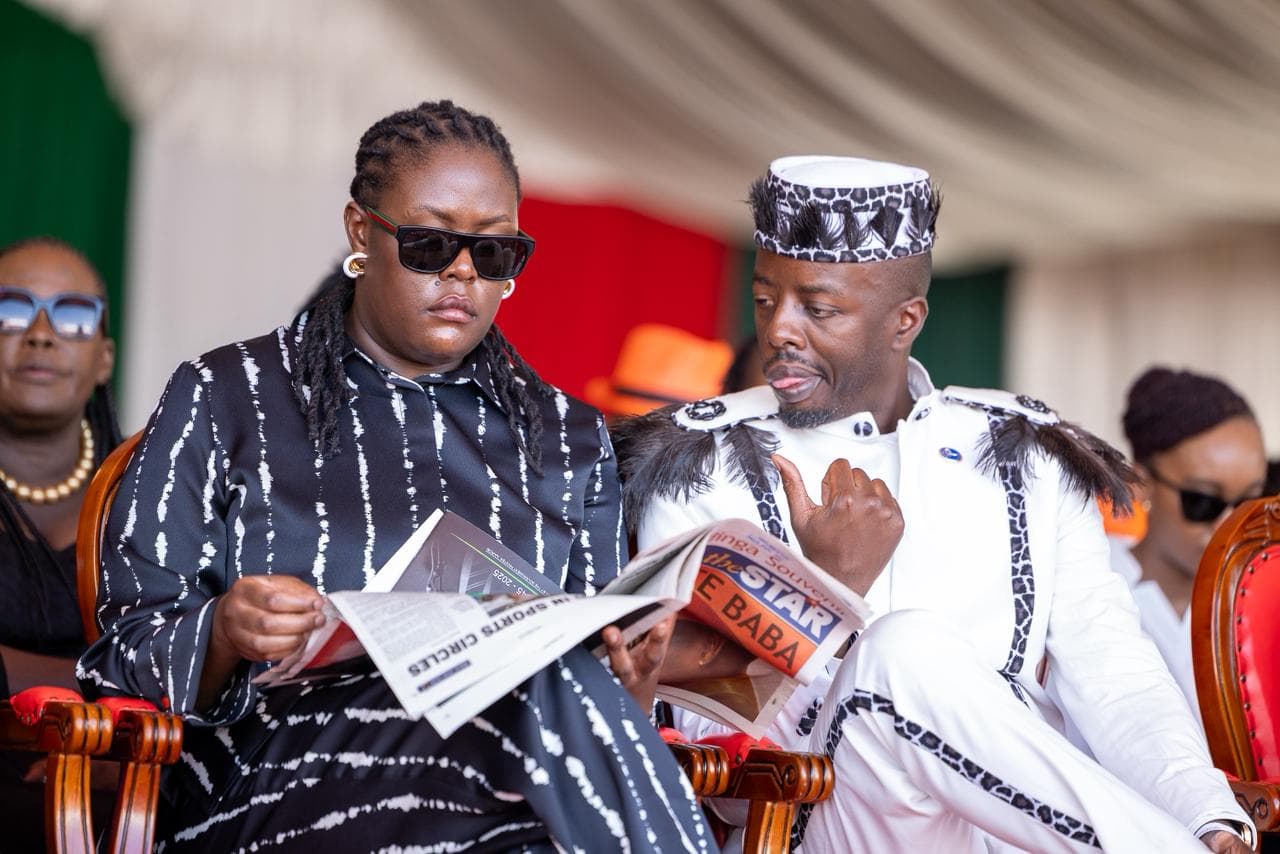
MP Babu Owino’s metaphorical advice to Winnie Odinga reveals deep fissures within ODM as the party navigates a delicate generational leadership transition.

A turtle, when sensing danger, retreats into its shell. It is a biological survival mechanism that Embakasi East Member of Parliament Paul Ongili, better known as Babu Owino, recently repurposed as a sharp, unsolicited tutorial in political risk for Winnie Odinga.
This is not merely a commentary on animal behavior it is a profound critique of the current state of opposition politics in Kenya. As the Orange Democratic Movement (ODM) grapples with an impending, inevitable generational transition, Owino’s metaphorical advice serves as a stark reminder that in the arena of public influence, the comfort of a protected legacy can be a cage. The interaction, which has rippled through social media and political circles in Nairobi, underscores a deepening conversation about the future of the party and the individual agency of those perceived as heirs to a political dynasty.
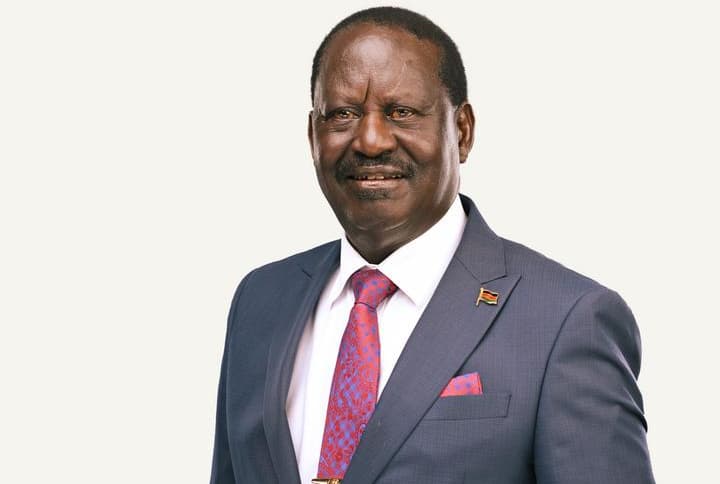
In his assessment, Owino argued that the turtle shell offers safety, but it also restricts freedom and growth. For the daughter of Raila Odinga, the "shell" represents the immense political capital, protection, and name recognition that comes with her lineage. While this shield provides sanctuary from the harsh realities of the Kenyan electorate, Owino’s warning implies that it also prevents the necessary "swimming" required to navigate the treacherous, competitive currents of national leadership.
Political analysts view this intervention as a calculated move by the Embakasi East MP. Owino has long positioned himself as a populist firebrand who climbed the political ladder through grassroots mobilization rather than hereditary succession. By publicly challenging Odinga to "join the ocean," he is framing the debate around meritocracy versus privilege, a recurring tension within the ODM hierarchy. The sentiment is that for Odinga to evolve from a figure of inherited influence into a standalone political powerhouse, she must be willing to endure the turbulence of open political engagement without the cushioning of the familial brand.
The timing of this commentary is not incidental. The ODM party, long dominated by the singular, magnetic personality of Raila Odinga, is entering a precarious phase of its history. With national elections looming in 2027, the party is under pressure to modernize its leadership structure and articulate a clear vision that resonates with a growing, disillusioned youth demographic.
The current internal friction manifests in several ways, which can be categorized by the shifting priorities of the party base:
For Winnie Odinga, the challenge is structural. She currently serves as an East African Legislative Assembly (EALA) member, a position that provides regional diplomatic experience but offers limited exposure to the granular, often brutal, mechanics of Kenyan constituency-level politics. Owino’s directive suggests that the EALA platform, while prestigious, may be the very "shell" that keeps her insulated from the electorate she seeks to lead.
The "Odinga" brand is arguably the most recognizable political asset in East Africa. However, assets can become liabilities in an era of intense economic scrutiny. A voter in Mathare or a tech entrepreneur in Westlands is increasingly less interested in the historical grievances of the previous generation and more focused on the immediate relief of economic contraction.
Observers at the University of Nairobi note that for Odinga to transcend her father’s shadow, she must engage in high-stakes political combat. This involves making policy stances that may contradict the party line, facing direct criticism from political opponents without institutional intervention, and building a base that identifies with her, not her father. This is the "ocean" Owino speaks of—a volatile, unforgiving environment where one can either swim or drown.
Yet, the risks are substantial. Leaving the shell means vulnerability. It means exposing oneself to the full vitriol of opponents and the scrutiny of an unforgiving media landscape. It implies a departure from the disciplined, party-approved messaging that has defined the ODM brand for decades.
The Kenyan electorate is among the youngest in the world. Recent data suggests that over 75 percent of the population is under the age of 35. This demographic is increasingly impatient with status quo politics. They are looking for leaders who speak the language of economic opportunity, digital infrastructure, and job creation.
If the ODM party is to remain relevant, it cannot rely solely on the loyalty of the historical base. It must capture the imagination of this youth vote. Owino, through his brash, often unfiltered style, has mastered the art of connecting with this segment. By pressuring Odinga to adopt a more aggressive, risk-taking posture, he is essentially challenging the entire party structure to evolve. Whether Winnie Odinga chooses to accept this advice—or to view it as the performative posturing of a rival—will likely define the next chapter of her political trajectory.
The ocean is wide, cold, and perilous, and it does not recognize the pedigree of those who enter it. For the heirs of political power in Kenya, the choice is increasingly binary: remain safely in the shell of legacy and risk irrelevance, or dive into the churning waters of a changing nation and risk everything for the chance to define its future.
Keep the conversation in one place—threads here stay linked to the story and in the forums.
Sign in to start a discussion
Start a conversation about this story and keep it linked here.
Other hot threads
E-sports and Gaming Community in Kenya
Active 10 months ago
The Role of Technology in Modern Agriculture (AgriTech)
Active 10 months ago
Popular Recreational Activities Across Counties
Active 10 months ago
Investing in Youth Sports Development Programs
Active 10 months ago
Key figures and persons of interest featured in this article