We're loading the full news article for you. This includes the article content, images, author information, and related articles.
As the dust settles on a turbulent year of Gen Z unrest, Kenya faces a critical twelve months to bridge the gap between macroeconomic statistics and the empty pockets of the common mwananchi.
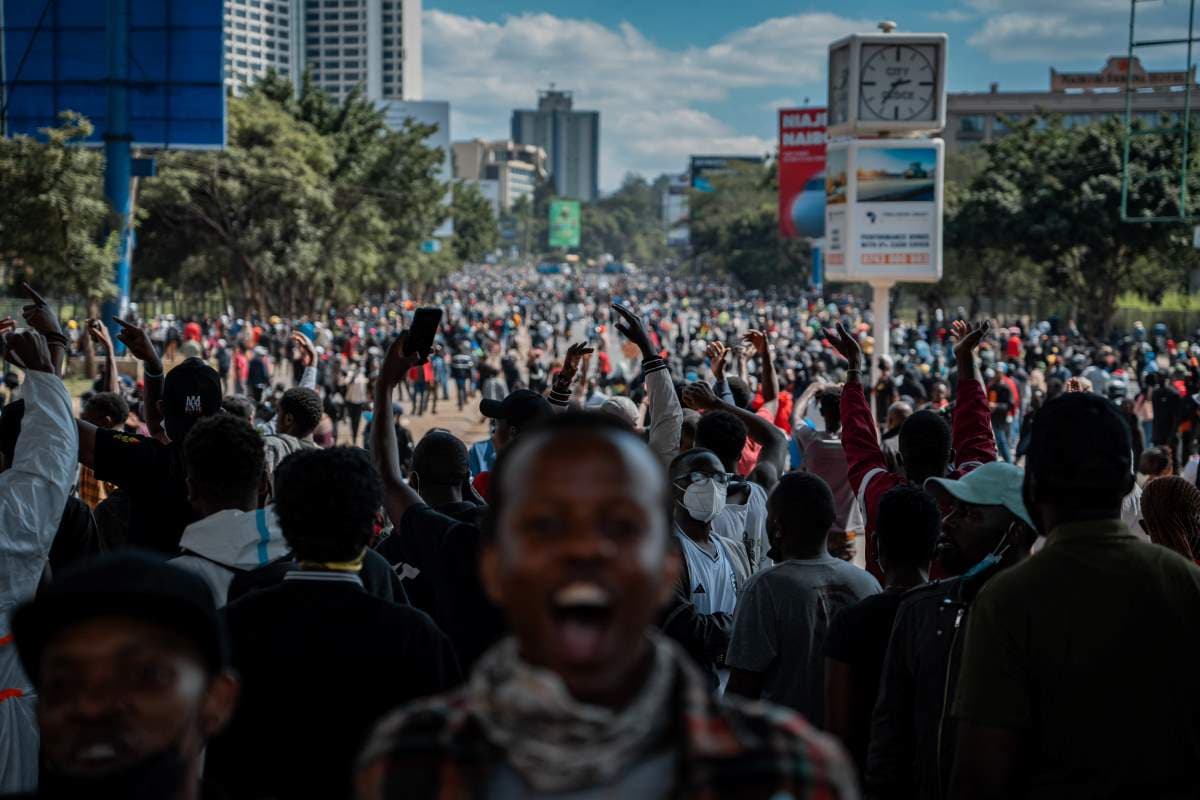
Kenya steps into 2026 not with the usual fanfare of a new calendar, but with the heavy breath of a nation that has sprinted through a marathon of dissent. The echoes of the Gen Z-led protests that defined 2025 still linger in the cool Nairobi air, serving as a stark reminder that the status quo has been irrevocably disrupted.
This year is not merely a bridge to the future; it is the final, definitive stress test for the current administration before the drums of the 2027 General Election begin to beat in earnest. The central question facing the nation is no longer about political alliances, but whether the government can translate high-level economic jargon into dignity, safety, and food on the table for millions of struggling families.
The events of 2025 were a watershed moment. Unlike previous cycles of unrest driven by ethnic kingpins, the Gen Z wave was organic, rooted in the visceral frustration of a generation locked out of the economy. Analysts note that these protests were a direct response to a feeling of exclusion—where decisions made in air-conditioned boardrooms failed to account for the sweating masses outside.
The message from the streets was clear: the social contract is fraying. The government’s response, characterized by a mix of tentative dialogue and what rights groups have termed "excessive force," has left a bitter aftertaste. Trust in the police and security apparatus is at a nadir.
Economically, the narrative is a tale of two Kenyas. On paper, macro-economic stability seems to be returning, with inflation numbers easing and the shilling stabilizing against major global currencies. However, for the average household in Eastlands or a farmer in Uasin Gishu, these statistics feel like fiction.
The relief remains intangible. Taxes continue to slice deeply into meager earnings, and the cost of living remains stubbornly high. When a government report celebrates a drop in inflation, but the price of unga and fuel remains prohibitive, the disconnect widens. The challenge for 2026 is to move beyond "stabilization" to actual "survival."
As we pivot toward the next election cycle, the window for meaningful governance is closing. If 2025 was the year of the wake-up call, 2026 must be the year of the answer. Leadership will be judged less by ambitious projections of GDP growth and more by the tangible outcomes in the lives of citizens.
This is not a moment for denial or political drift. It is a moment for radical engagement. If the state cannot restore faith in its institutions and put money back into the pockets of its people, the road to 2027 will be paved not with rallies, but with resistance.
Keep the conversation in one place—threads here stay linked to the story and in the forums.
Sign in to start a discussion
Start a conversation about this story and keep it linked here.
Other hot threads
E-sports and Gaming Community in Kenya
Active 9 months ago
The Role of Technology in Modern Agriculture (AgriTech)
Active 9 months ago
Popular Recreational Activities Across Counties
Active 9 months ago
Investing in Youth Sports Development Programs
Active 9 months ago



